

Loneliness and Social Anxiety: Sister Conditions
Loneliness and social anxiety are two parts of a vicious cycle with each being a cause and result of the other. It's a complex system, but small steps can help release you from the merry-go-round.
Read article
What Have You Learned During the Pandemic?
Amid the losses of the pandemic, slowing down can reveal what matters most. I reflect on self-care, everyday moments of beauty, and the freedom that comes from wanting less and being more present.
Read article

How to Affect Change Through Agency
When life leaves you weary or discouraged, how do you find the energy to act? I share three steps for building agency: naming the problem, encouraging yourself, and taking one manageable action at a time.
Read article

Mental Health Facts
Feeling anxious, sad, or unmotivated during a crisis is not a personal failure. Drawing on the emotional toll of the pandemic, I explore how validation, self-compassion, and purposeful action can help us move through difficult times.
Read article
How to Decrease Stress When the World Seems to be Falling Apart
When the news feels relentless and the future uncertain, worry can crowd out everything else. Widening your perspective, adjusting your expectations, and offering yourself compassion can create room to breathe, even when circumstances remain difficult.
Read article
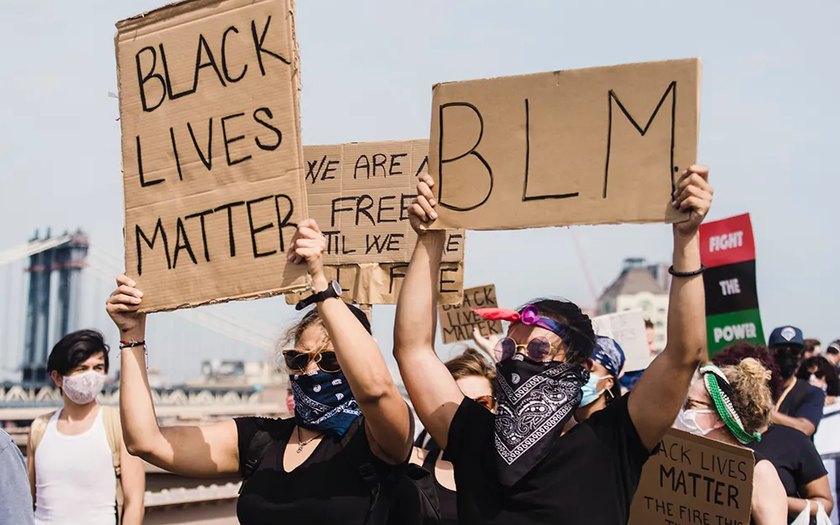
Is the World Making Us Weary or Wise?
How do we respond when injustice and uncertainty leave us overwhelmed? Reflecting on the protests and upheaval of 2020, I consider how listening to our hearts can help us meet exhaustion with compassion, purpose, and action.
Read article
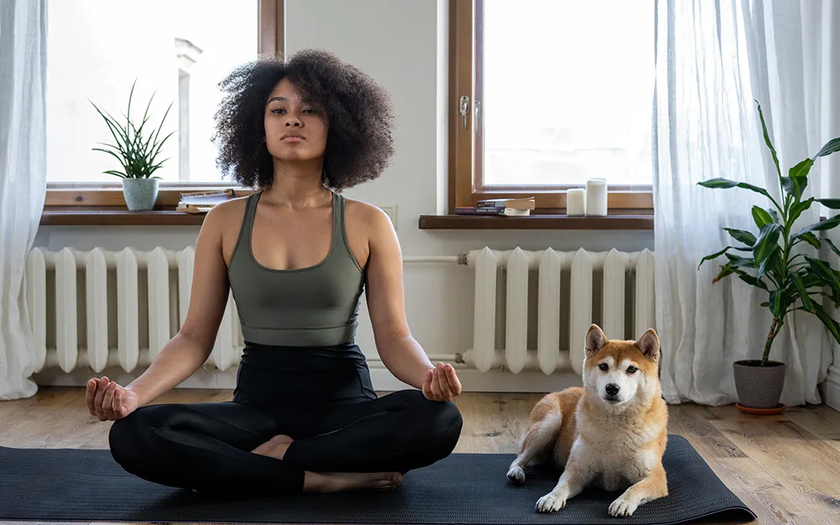
How to reduce your stress
Three simple practices can offer a little breathing room during stressful times: self-compassion meditation, mindful time in nature, and a wider perspective on life. Each invites us to reconnect with ourselves, others, and what remains possible.
Read article
Coronavirus Takes A Toll on Mood—Here’s What to Do
The uncertainty and isolation of the pandemic can make the future feel painfully small. I explore how widening our perspective can help us acknowledge real losses while finding opportunities for connection, creativity, and hope.
Read article

Coronavirus Reminds Us What’s Important
The disruption of the early pandemic prompted a simple question: what really matters? I share seven ways to care for ourselves and one another, from taking breaks from the news to reaching out with kindness.
Read article

Coping with Loneliness on Valentine’s Day
Valentine’s Day can sharpen loneliness, especially when we compare our lives with other people’s romances. A kinder relationship with ourselves and small acts of generosity can help us find connection beyond the idea of a perfect couple.
Read article

Finding Hope for the New Year
Hope grows through meaningful goals, practical pathways, and the belief that our efforts matter. In a conversation with hope researcher David Feldman, I explore how to build realistic hope without denying life’s difficulties.
Read article

How The Tao Helps Us Navigate Stress
What can Taoist wisdom teach us about facing change without becoming overwhelmed? Drawing on Diane Dreher’s The Tao of Inner Peace, I reflect on impermanence, interconnectedness, and responding to uncertainty with openness and compassion.
Read article