Meg Van Deusen

What Have You Learned During the Pandemic?

Amid the losses of the pandemic, slowing down can reveal what matters most. I reflect on self-care, everyday moments of beauty, and the freedom that comes from wanting less and being more present.

Read article

How to Affect Change Through Agency

When life leaves you weary or discouraged, how do you find the energy to act? I share three steps for building agency: naming the problem, encouraging yourself, and taking one manageable action at a time.

Read article

Mental Health Facts

Feeling anxious, sad, or unmotivated during a crisis is not a personal failure. Drawing on the emotional toll of the pandemic, I explore how validation, self-compassion, and purposeful action can help us move through difficult times.

Read article
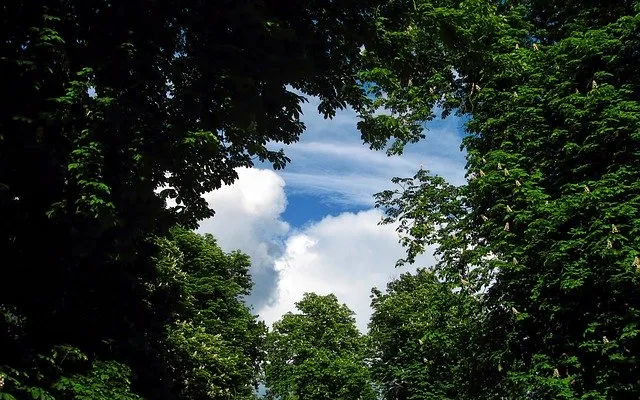
How to Decrease Stress When the World Seems to be Falling Apart

When the news feels relentless and the future uncertain, worry can crowd out everything else. Widening your perspective, adjusting your expectations, and offering yourself compassion can create room to breathe, even when circumstances remain difficult.

Read article
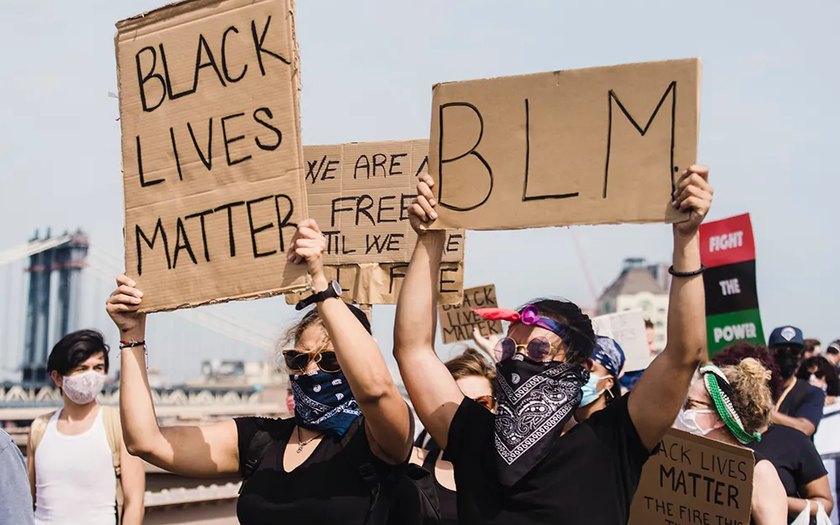
Is the World Making Us Weary or Wise?

How do we respond when injustice and uncertainty leave us overwhelmed? Reflecting on the protests and upheaval of 2020, I consider how listening to our hearts can help us meet exhaustion with compassion, purpose, and action.

Read article
How to reduce your stress

Three simple practices can offer a little breathing room during stressful times: self-compassion meditation, mindful time in nature, and a wider perspective on life. Each invites us to reconnect with ourselves, others, and what remains possible.

Read article
Coronavirus Takes A Toll on Mood—Here’s What to Do

The uncertainty and isolation of the pandemic can make the future feel painfully small. I explore how widening our perspective can help us acknowledge real losses while finding opportunities for connection, creativity, and hope.

Read article

Coronavirus Reminds Us What’s Important

The disruption of the early pandemic prompted a simple question: what really matters? I share seven ways to care for ourselves and one another, from taking breaks from the news to reaching out with kindness.

Read article
Coping with Loneliness on Valentine’s Day

Valentine’s Day can sharpen loneliness, especially when we compare our lives with other people’s romances. A kinder relationship with ourselves and small acts of generosity can help us find connection beyond the idea of a perfect couple.

Read article

Finding Hope for the New Year

Hope grows through meaningful goals, practical pathways, and the belief that our efforts matter. In a conversation with hope researcher David Feldman, I explore how to build realistic hope without denying life’s difficulties.

Read article

How The Tao Helps Us Navigate Stress

What can Taoist wisdom teach us about facing change without becoming overwhelmed? Drawing on Diane Dreher’s The Tao of Inner Peace, I reflect on impermanence, interconnectedness, and responding to uncertainty with openness and compassion.

Read article
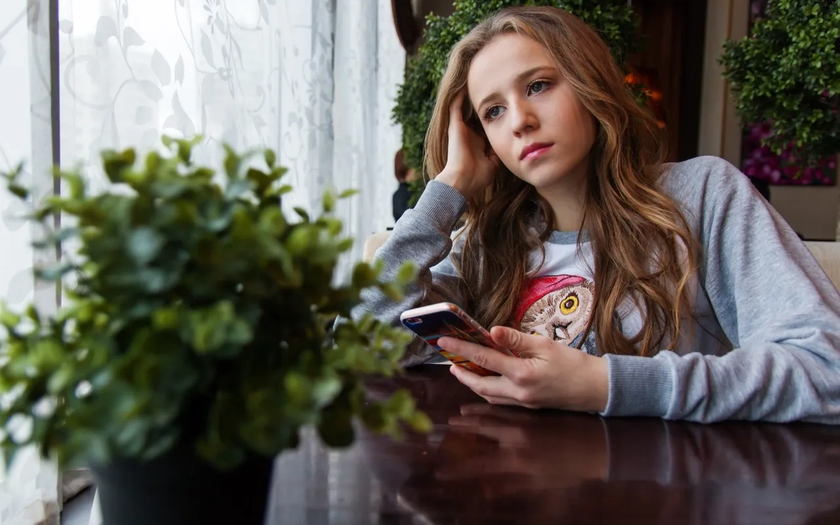
Existential Anxiety, Kids and 2019

When young people face frightening news about their future, reassurance alone may not be enough. I reflect on how honest conversation, compassionate boundaries, and our undivided attention can help them feel connected and hopeful.

Read article

All writing

Coronavirus Takes A Toll on Mood—Here’s What to Do

The uncertainty and isolation of the pandemic can make the future feel painfully small. I explore how widening our perspective can help us acknowledge real losses while finding opportunities for connection, creativity, and hope.

What does the future look like?

If you’ve read the news much lately, you’ve probably come across an article or two about what our future may look like amidst the coronavirus pandemic. Bleak portrayals of life behind masks and screens, separated still from the embraces or affection we desire from one another. Talk of school staying online for more than the summer, warnings of laying low through the fall and winter when another outbreak could occur. It’s not uplifting or hopeful. Instead, it paints an eerie picture of a hyper vigilant, disconnected existence that seems to have no end. No wonder so many people feel down if not down-right depressed.

Coronavirus: The bigger picture

But here’s the thing. When there is a threat of any kind, we as human beings, tend to narrow our focus. It’s biologically driven as we’re historically built to hone in on the threat so as to evade the danger. But while keeping a sharp focus on coronavirus is key to learning how to beat it, it can also rob us of life’s bigger picture. We can forget that this is a crisis, not the permanent new lifestyle, despite the fact that some journalists say it is. We forget that even though we have to be savvy about keeping safe from getting sick or infecting others, that we are tribal people. We thrive on community, on being with one another, on the presence of the group. And we will find ways to make that happen until we can freely be together again.

Take sports, for example. It is a significant aspect of US culture that brings people together as teams and fans. Yes, it can occasionally incite rivalry that is beyond friendly, but for the most part, sports are considered inspiring and a fun way to spend any given weekend day, whether you’re playing them or watching them. People so long for the interpersonal connection sports gives them right now that they’ve begun watching old games or the long-awaited documentary, The Last Dance, which premiered on television this week. We, as humans, are made to be together, to be inspired by one another, to laugh and cry together. The temporary struggle against coronavirus will not deter us from our ultimate search for attachment to one another.

Widening the Lens

In my book, Stressed in the U.S.: 12 Tools to Tackle Anxiety, Loneliness, Tech-Addiction and More, I talk about the concept of widening the lens. Because chronic stress can narrow our view in order to fight or flee the stressor, we must be intentional about widening our perspective so as not to get mired in darkness and depression. What does this mean for you? Perhaps instead of thinking only of limitations, it’s time to think of silver linings. Is the air clearer where you live? It is here in Seattle as stay at home orders have dramatically decreased pollution, a welcome sight amidst an otherwise dreary existence.

What about school? Do you feel oppressed by the idea that your college experience may be thwarted by continued sheltering in place? Try to look at your life beyond just this one year. It’s true that we are not yet sure how many students will be prevented from beginning or continuing this crucial stage of development by communing with teachers and students in what is often a highly social and intellectually engaging period of their lives, but, in the grand scheme of things, this may just be one year out of several. For some it is their first year when they make important friendships. For others it is their last year when they celebrate and get ready to launch their careers. It is heart-breaking to have these vital transitions waylaid, but postponing a launch for six months to a year won’t make or break your future success in life.

You always have the opportunity to make friends, wherever you are. You will always have the opportunity to learn, to live with others, to seek out mentors. You may need to be more assertive or intentional about it. But is that a bad thing? I don’t think so. I think it can help students find the chutzpah to stay connected while adhering to coronavirus standards. Think FaceTime instead of text message. It may help you connect with your acquaintances or friends more intimately. Think frequent zoom meetings with teachers where you may actually get to know them better instead of skipping office hours because you’re too busy. Look beyond the limitations for the opportunities.

Then there are those who have lost jobs or businesses as the shut-down, without financial assistance, proves to be longer than is financially sustainable. It can feel overwhelming, even soul-crushing, to think of having to give up your restaurant, salon or massage practice to teaching online classes or working in an entirely different industry. It’s further defeating to realize that few companies are hiring, especially for jobs that suit your qualifications. Widen the lens. This is a rough time, but it isn’t permanent. It may mean scraping by for the next two years, doing whatever you can to stay afloat, but it also may provide an opportunity for change you didn’t recognize was there. If this crisis forces you to explore other job or career options, that may end up being to your benefit. Don’t rule out the idea that with death comes new life, even if you can’t quite see it yet.

Coronavirus Takes a Toll on Mood: Conclusion

While may not be treated equally in this world, we all have the capacity for compassion, and, therefore, to be together during this unprecedented time. Widen the lens. Look for opportunities, possibilities, stretch your mind and your comfort zone to try new things, to communicate with people more frequently (because it will help you) and to remember that this pandemic will eventually fade. It won’t always be this dire, this limiting, this scary. As the poet Rumi once said, “the wound is the place where light enters you.”