

Meg Van Deusen

What Have You Learned During the Pandemic?

Amid the losses of the pandemic, slowing down can reveal what matters most. I reflect on self-care, everyday moments of beauty, and the freedom that comes from wanting less and being more present.

Read article

How to Affect Change Through Agency

When life leaves you weary or discouraged, how do you find the energy to act? I share three steps for building agency: naming the problem, encouraging yourself, and taking one manageable action at a time.

Read article

Mental Health Facts

Feeling anxious, sad, or unmotivated during a crisis is not a personal failure. Drawing on the emotional toll of the pandemic, I explore how validation, self-compassion, and purposeful action can help us move through difficult times.

Read article

How to Decrease Stress When the World Seems to be Falling Apart

When the news feels relentless and the future uncertain, worry can crowd out everything else. Widening your perspective, adjusting your expectations, and offering yourself compassion can create room to breathe, even when circumstances remain difficult.

Read article
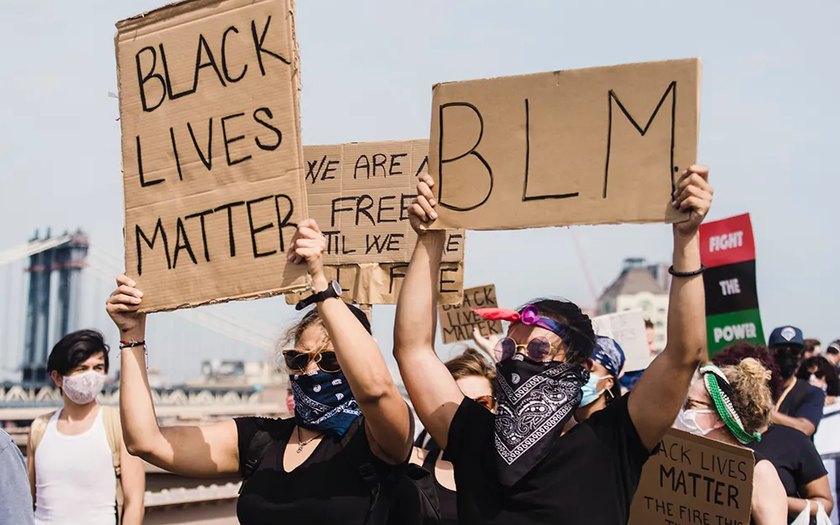
Is the World Making Us Weary or Wise?

How do we respond when injustice and uncertainty leave us overwhelmed? Reflecting on the protests and upheaval of 2020, I consider how listening to our hearts can help us meet exhaustion with compassion, purpose, and action.

Read article

How to reduce your stress

Three simple practices can offer a little breathing room during stressful times: self-compassion meditation, mindful time in nature, and a wider perspective on life. Each invites us to reconnect with ourselves, others, and what remains possible.

Read article

Coronavirus Takes A Toll on Mood—Here’s What to Do

The uncertainty and isolation of the pandemic can make the future feel painfully small. I explore how widening our perspective can help us acknowledge real losses while finding opportunities for connection, creativity, and hope.

Read article

Coronavirus Reminds Us What’s Important

The disruption of the early pandemic prompted a simple question: what really matters? I share seven ways to care for ourselves and one another, from taking breaks from the news to reaching out with kindness.

Read article

Coping with Loneliness on Valentine’s Day

Valentine’s Day can sharpen loneliness, especially when we compare our lives with other people’s romances. A kinder relationship with ourselves and small acts of generosity can help us find connection beyond the idea of a perfect couple.

Read article

Finding Hope for the New Year

Hope grows through meaningful goals, practical pathways, and the belief that our efforts matter. In a conversation with hope researcher David Feldman, I explore how to build realistic hope without denying life’s difficulties.

Read article

How The Tao Helps Us Navigate Stress

What can Taoist wisdom teach us about facing change without becoming overwhelmed? Drawing on Diane Dreher’s The Tao of Inner Peace, I reflect on impermanence, interconnectedness, and responding to uncertainty with openness and compassion.

Read article

Existential Anxiety, Kids and 2019

When young people face frightening news about their future, reassurance alone may not be enough. I reflect on how honest conversation, compassionate boundaries, and our undivided attention can help them feel connected and hopeful.

Read article

All writing

Is the World Making Us Weary or Wise?

How do we respond when injustice and uncertainty leave us overwhelmed? Reflecting on the protests and upheaval of 2020, I consider how listening to our hearts can help us meet exhaustion with compassion, purpose, and action.

Helicopters, tear gas, even rubber bullets ripped through the Seattle air as protestors voiced their outrage against racial injustice these last two weeks. Police violence, economic oppression and poor access to healthcare has always plagued African-American communities, but since the gut-wrenching murders of George Floyd, Ahmaud Arbery, and Breonna Taylor, Americans have taken to the streets, pandemic or not, to say enough is enough. Was it the president’s latest unpresidential tweet that threw so many of us over the edge? Or,was it the painfully disturbing video of Floyd being slowly suffocated under the knee of a white Minneapolis police officer as that officer’s comrades looked on?

Constant state of anxiety

The last few years have been increasingly trying for many. Our very democracy has been threatened, torn through by our own president, leaving nothing but symbolic shreds of our American fabric in his wake. Then in February, (or some say earlier) the pandemic hit and our lives came to a screeching halt, as we sheltered in place, like children in a lockdown who nervously wonder if the outside threat is coming to get them. But, if that wasn’t enough, news of more innocent African-Americans being murdered by white police officers brought us to an all-time low. Many of my clients spiraled into diagnosable depression, feeling overwhelmed and hopeless about our nation. The fact that voter suppression also seems to be ramping up, possibly preventing the minority voice, is an aside that leaves others in a constant state of anxiety.

Weary or wise?

When bad things keep happening, when the tide gets unbearably strong to swim against, do we get weary or wise? Do we pull the covers over our heads, waiting for the next bomb to hit or do we get up, stand up and make change happen? The resilience of the human spirit is something I’ve had the privilege of witnessing over and over in my work as a psychologist. Fractured adults who have endured unthinkable abuse, vigilant minority patients who have navigated the stress of discrimination, and lonely adolescents who have not only parented their parents, but tried to find their own way in the world where even school doesn’t feel safe. Almost all of these people came to therapy to find their power. And, despite the atrocities that may have injured them in the first place, they rose.

What I see today is no less than remarkable as many clients, despite their weariness, ask the question, “what can I do to make things better?” Scared, tired, battling hopelessness, they get out of bed in the morning and find a way to make change. Many joined the protests against police brutality, others donated money to worthy causes, and still others educated themselves as to how to be better white people, more humble, more informed, better listeners who support, instead of turn their backs on black communities. Listening with one’s heart is the wise way. Having compassionate boundaries is smart. And standing up when, instead, you want to give up, is the beauty of the human spirit.

Feeling overwhelmed

If you are feeling overwhelmed by “all the bad things happening in this world,” as one young woman says, access your wise heart. Close your eyes for a few minutes and slow your breathing. This will help unhinge you from external stimuli and connect you with the internal world. Breathe slowly for a full minute. Now, tune into your body, and notice, without judgment, how it feels. Be present. Now tune into your heart. Take time. Wait and listen. If you are distracted by running thoughts or other stimuli, be patient and refocus your attention on your heart, asking yourself, what, in your heart of hearts feels like the right thing to do.

Weary or Wise: Conclusion

Making a point of consulting the wise heart will keep you from buckling under the weight of weariness. It will center you and connect you to your true self. And, as Jack Kornfield, psychologist, meditation teacher and author of The Wise Heart and other noteworthy reads says, “Remember that no matter where you are and what you face, within your heart peace is possible.” And when you find that place of peace within the heart, your approach to the world will come from wisdom.