
Meg Van Deusen

What Have You Learned During the Pandemic?

Amid the losses of the pandemic, slowing down can reveal what matters most. I reflect on self-care, everyday moments of beauty, and the freedom that comes from wanting less and being more present.

Read article

How to Affect Change Through Agency

When life leaves you weary or discouraged, how do you find the energy to act? I share three steps for building agency: naming the problem, encouraging yourself, and taking one manageable action at a time.

Read article

Mental Health Facts

Feeling anxious, sad, or unmotivated during a crisis is not a personal failure. Drawing on the emotional toll of the pandemic, I explore how validation, self-compassion, and purposeful action can help us move through difficult times.

Read article

How to Decrease Stress When the World Seems to be Falling Apart

When the news feels relentless and the future uncertain, worry can crowd out everything else. Widening your perspective, adjusting your expectations, and offering yourself compassion can create room to breathe, even when circumstances remain difficult.

Read article

Is the World Making Us Weary or Wise?

How do we respond when injustice and uncertainty leave us overwhelmed? Reflecting on the protests and upheaval of 2020, I consider how listening to our hearts can help us meet exhaustion with compassion, purpose, and action.

Read article
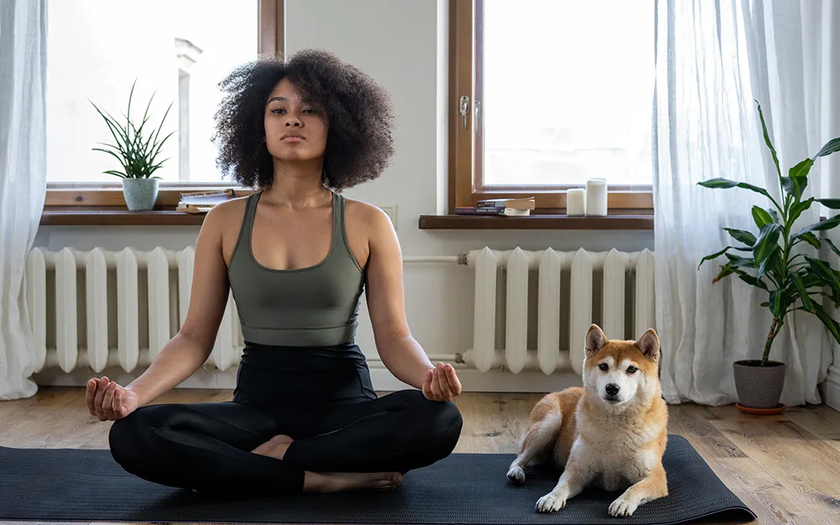
How to reduce your stress

Three simple practices can offer a little breathing room during stressful times: self-compassion meditation, mindful time in nature, and a wider perspective on life. Each invites us to reconnect with ourselves, others, and what remains possible.

Read article
Coronavirus Takes A Toll on Mood—Here’s What to Do

The uncertainty and isolation of the pandemic can make the future feel painfully small. I explore how widening our perspective can help us acknowledge real losses while finding opportunities for connection, creativity, and hope.

Read article

Coronavirus Reminds Us What’s Important

The disruption of the early pandemic prompted a simple question: what really matters? I share seven ways to care for ourselves and one another, from taking breaks from the news to reaching out with kindness.

Read article

Coping with Loneliness on Valentine’s Day

Valentine’s Day can sharpen loneliness, especially when we compare our lives with other people’s romances. A kinder relationship with ourselves and small acts of generosity can help us find connection beyond the idea of a perfect couple.

Read article

Finding Hope for the New Year

Hope grows through meaningful goals, practical pathways, and the belief that our efforts matter. In a conversation with hope researcher David Feldman, I explore how to build realistic hope without denying life’s difficulties.

Read article

How The Tao Helps Us Navigate Stress

What can Taoist wisdom teach us about facing change without becoming overwhelmed? Drawing on Diane Dreher’s The Tao of Inner Peace, I reflect on impermanence, interconnectedness, and responding to uncertainty with openness and compassion.

Read article
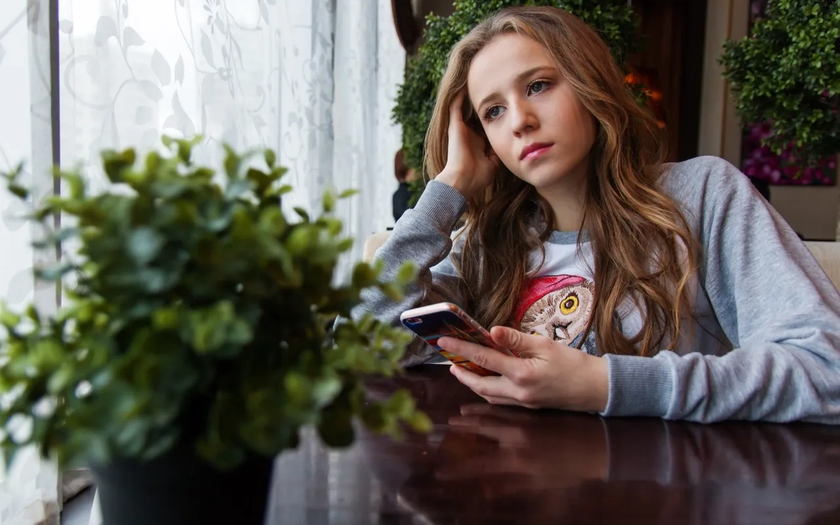
Existential Anxiety, Kids and 2019

When young people face frightening news about their future, reassurance alone may not be enough. I reflect on how honest conversation, compassionate boundaries, and our undivided attention can help them feel connected and hopeful.

Read article

All writing

Coronavirus Reminds Us What’s Important

The disruption of the early pandemic prompted a simple question: what really matters? I share seven ways to care for ourselves and one another, from taking breaks from the news to reaching out with kindness.

7 Tips To Navigate This Unique Time

My son’s school closed today because of Coronavirus. It’s one of many in Seattle as the coronavirus scare continues to threaten the wellbeing of our children, our elderly and ourselves. Other than the fact that his baseball season is suspended, he’s not too put out by the decision.

Online learning is a bit novel right now and being home, especially while his parents are working, is kind of cool. To me, though, it feels a bit eerie. It’s not just that my son’s school closed, it’s that the streets of Seattle are uncannily empty as Microsoft, Amazon, Google and Facebook employees work from home and students of the University of Washington and Seattle University study from their apartments or dorm rooms instead of going to class. And then there are those who are self-quarantined. It’s a bit apocalyptic as we all wait, wondering if Covid-19 will get us.

“As if we haven’t had enough stress, now this”, one client says. He’s right. Those of us living in the US have been swimming upstream for a while now. Foreign attacks on our elections, threats from Kim Jon Ung, outed sexual predators in our television and film industry, impeachment hearings run amok, just to name a few of the recent dramas and traumas. Now a highly contagious virus for which there is no vaccine or treatment. Many are anxious, tired and struggling to find the light at the end of the tunnel. Some hang their hat on the upcoming election, hoping the democratic nominee will win; others focus on their “to-do” lists to keep their minds off the bigger problems.

But what else can we do in times like these? Well, as I discuss in my book, Stressed in the U.S.: 12 Tools to Tackle Anxiety, Loneliness, Tech-Addiction and More, take a few minutes to think about what is important to you. Likely, many of you will think of your relationships, happiness and, perhaps, health as stories of Covid-19 abound.

Here are a few tips to increase your physical and emotional health, create connection in relationship and generate feelings of wellbeing in the face of Coronavirus:

  • Take care of your immune system by eating a vegetable rich, low sugar diet.
  • Exercise to increase telomerase—the enzyme needed to keep our chromosomes protected.
  • Breathe slowly and deeply. Intentional breathing can calm the nervous system and center you.
  • Take a break from the news. While staying informed is important, the news can deluge you and leave you feeling agitated or down. Make sure to turn off news notifications on your phone so you can consult the news when the time is right for you instead of endlessly scroll through story after story.
  • Rest your body and your mind. Lie down and bring your attention to the natural flow of your breath as it manifests in the gentle rise and fall of the chest.
  • Help others. If you’re sick, stay home so as not to expose others. If a friend, family member or neighbor is worried, surprise them with a check in phone call, send them an uplifting book or offer to pick something up from the store for them.
  • Take a break from tasks and look up at the sky. Notice its vastness and beauty, no matter the weather. Simply noticing a natural wonder can bring a sense of belonging and wellbeing.

Coronavirus Reminds Us What’s Important: Conclusion

Times like these call for contemplation. How can we make life go better? How can we contribute to our community when it is suffering? How can we increase connection with other human beings when we’re supposed to keep our distance from them? How can we take better care of ourselves? Take some time today to slow down and ask yourself these questions. Listen with intuition, to the answers.

After day one of no in-person classes, my son recognizes the simple pleasures in life. When asked what he most wants right now, the answer is “good food and friends”. Maybe this latest crisis can help us all think of what really matters in life.