


Meg Van Deusen

What Have You Learned During the Pandemic?

Amid the losses of the pandemic, slowing down can reveal what matters most. I reflect on self-care, everyday moments of beauty, and the freedom that comes from wanting less and being more present.

Read article

How to Affect Change Through Agency

When life leaves you weary or discouraged, how do you find the energy to act? I share three steps for building agency: naming the problem, encouraging yourself, and taking one manageable action at a time.

Read article

Mental Health Facts

Feeling anxious, sad, or unmotivated during a crisis is not a personal failure. Drawing on the emotional toll of the pandemic, I explore how validation, self-compassion, and purposeful action can help us move through difficult times.

Read article
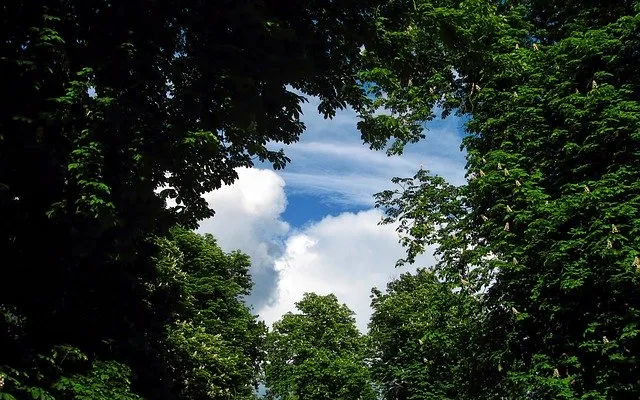
How to Decrease Stress When the World Seems to be Falling Apart

When the news feels relentless and the future uncertain, worry can crowd out everything else. Widening your perspective, adjusting your expectations, and offering yourself compassion can create room to breathe, even when circumstances remain difficult.

Read article

Is the World Making Us Weary or Wise?

How do we respond when injustice and uncertainty leave us overwhelmed? Reflecting on the protests and upheaval of 2020, I consider how listening to our hearts can help us meet exhaustion with compassion, purpose, and action.

Read article
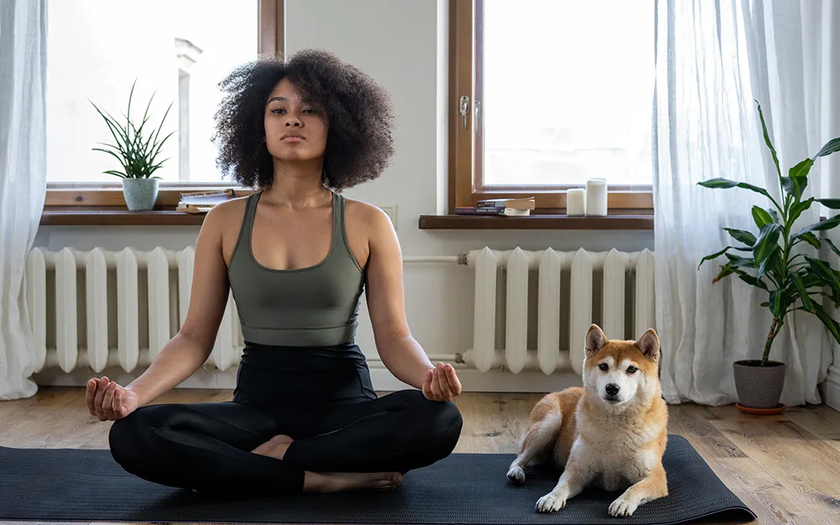
How to reduce your stress

Three simple practices can offer a little breathing room during stressful times: self-compassion meditation, mindful time in nature, and a wider perspective on life. Each invites us to reconnect with ourselves, others, and what remains possible.

Read article

Coronavirus Takes A Toll on Mood—Here’s What to Do

The uncertainty and isolation of the pandemic can make the future feel painfully small. I explore how widening our perspective can help us acknowledge real losses while finding opportunities for connection, creativity, and hope.

Read article

Coronavirus Reminds Us What’s Important

The disruption of the early pandemic prompted a simple question: what really matters? I share seven ways to care for ourselves and one another, from taking breaks from the news to reaching out with kindness.

Read article

Coping with Loneliness on Valentine’s Day

Valentine’s Day can sharpen loneliness, especially when we compare our lives with other people’s romances. A kinder relationship with ourselves and small acts of generosity can help us find connection beyond the idea of a perfect couple.

Read article

Finding Hope for the New Year

Hope grows through meaningful goals, practical pathways, and the belief that our efforts matter. In a conversation with hope researcher David Feldman, I explore how to build realistic hope without denying life’s difficulties.

Read article

How The Tao Helps Us Navigate Stress

What can Taoist wisdom teach us about facing change without becoming overwhelmed? Drawing on Diane Dreher’s The Tao of Inner Peace, I reflect on impermanence, interconnectedness, and responding to uncertainty with openness and compassion.

Read article

Existential Anxiety, Kids and 2019

When young people face frightening news about their future, reassurance alone may not be enough. I reflect on how honest conversation, compassionate boundaries, and our undivided attention can help them feel connected and hopeful.

Read article

All writing

How to Decrease Stress When the World Seems to be Falling Apart

When the news feels relentless and the future uncertain, worry can crowd out everything else. Widening your perspective, adjusting your expectations, and offering yourself compassion can create room to breathe, even when circumstances remain difficult.

There’s no question that we’re living in turbulent times, especially if you reside in the U.S. Protests, to combat systemic racism, have been raging for two months now, the White House has allowed a deadly virus to sweep across our country like a giant tornado, and the unemployment rate is the worst since the Great Depression. I won’t even talk about global warming….

If these facts, along with a half-hearted, watered-down version of summer have you brooding, consider widening the lens, changing your expectations and offering self-compassion. While we have become understandably consumed with the instability of our world, we tend to anxiously look for soothing in places that aren’t helpful.

Take the coronavirus for example. People often try to soothe their worries by looking at the latest news. Some may look for soothing by tracking vaccine trials. Others may look for soothing by studying the daily infection rate, hoping for dips. And many will look for soothing in the presidential election polls. But all this incessant future thinking can have you simply waiting, still helpless to affect your circumstances, and more bombarded than if you had spent time not doing those things.

Decrese Stress by Widening the Lens

Widening the lens not only gives you a better perspective on life, it can help you see opportunity and goodness where the darkness of our times has clouded your view. Widening the lens gets you to think about positive, present-moment experiences and helps you think beyond the immediate future of the pandemic.

Let’s look at the first scenario. When you become aware of your present moment, instead of ruminating about what is going to happen, you have the opportunity to notice what is alive and well, what is beautiful and comforting. Take for example, the warm cup of coffee in your hand, the fact that your heart is beating, the awareness that the sun is out and the sky is breath-taking. These are lovely truths that you may not get to enjoy if you were obsessively reading the news or mindlessly hoping for a regime change.

The second way to widen the lens is to think about life in its totality. That this pandemic is a moment in history. That things will eventually change and that we have endured many hard times in human history. Will you be wearing a mask five years from now? Likely not. Think about the bigger picture of your existence.

Decrease Stress: Adjust Expectations

Sometimes we experience stress because we are trying to reach unrealistic goals. Take, for example, parents who have been home with their children for six months, trying to keep them educated and entertained.

While parenting children is a vitally important job, maybe it is time to change what you expect yourself to do given these unusual times. Instead of making sure your children get daily exercise and learning in, allow yourself (and them) some down time in which they can play in their rooms or make a mess without your worrying about it.

Perhaps just stroking their hair or putting an arm around them when they’re bored lets them know you care without pressuring yourself (or them) to be idea geniuses. If you’re hell-bent on getting those house projects done or losing twenty pounds during the pandemic, recognize that just enduring the pandemic is hard enough, let alone taking on bigger goals. Pair those goals down to daily steps, such as, “today, I will buy the paint for my project” or “today I will try to eat mindfully.” Changing expectations can reduce stress by setting you up for success instead of failure.

Decrease Stress: Self-Compassion

Be compassionate with yourself. We often don’t realize how much negativity we lay on ourselves. This may be in the form of self-criticism, “what’s wrong with you, you’re not getting anything done.” It may be in anger at political decisions being made, “How stupid is that? Now we’re really doomed.” These often semi-conscious internal statements can have us feeling perpetually threatened by all that seems to be going poorly.

Taking the time to pause and intentionally offer self-compassion can instantly change your stress level and your mood. If instead of a self-criticism about my difficulty accomplishing tasks, I say to myself, “it’s tough to always produce when you’re weary,” or “It’s okay, we’ll try again tomorrow.” When we endure chronic stress, a simple caring voice from within can ease it. Instead of swearing at the driver who cut you off or yelling at an infuriating tweet, take a deep breath and remind yourself you are there for you. You can literally say, “I’m here for you.” It’s hard to feel threatened when someone is comforting or encouraging you. Let that someone be yourself.

Decrease Stress: Conclusion

These are tough times, my friends. It may feel like wherever you turn there is something threatening your personal wellbeing or freedom. To worry and ruminate about all of those threats only serves to increase your stress. Widening the lens, changing your expectations and learning how to be self-compassionate eases stress. Try it and begin to move through these challenges more slowly and mindfully, one breath at a time.