


Meg Van Deusen

How to Reduce Stress – Three Simple Ways

Being constantly connected can leave us feeling constantly on call. I share three practical boundaries around technology—designated off times, scheduled message checks, and device-free spaces—to make more room for rest and undivided attention.

Read article

Nature as a Stress-Reliever

A tree, a stretch of sky, or even a photograph of a landscape can offer a pause from daily demands. I explore how nature’s beauty and sense of scale can bring comfort, connection, and a wider perspective on our worries.

Read article

What is Mindfulness?

Mindfulness means paying attention to the present with curiosity and without judgment. I explore how observing our thoughts and feelings can change our response to stress, along with a simple breathing practice to get started.

Read article

Children and Stress

Loving relationships help children weather stress, but even well-supported kids can struggle under pressure to achieve. I explore the role of secure attachment and how parents can help children feel valued beyond grades, accomplishments, and status.

Read article

The Difference Between Anxiety and Stress

Stress and anxiety can feel similar in the body, but the experiences behind them may differ. Through everyday examples, I explore reactions to immediate threats, worries about the unknown, and feelings we have yet to acknowledge.

Read article

Can A Positive Event Be A Cause Of Stress?

A wedding, a promotion, or a move can be welcome and unsettling at the same time. I explore why positive changes can bring stress and how patience, reassurance, and room for mixed feelings can ease the transition.

Read article
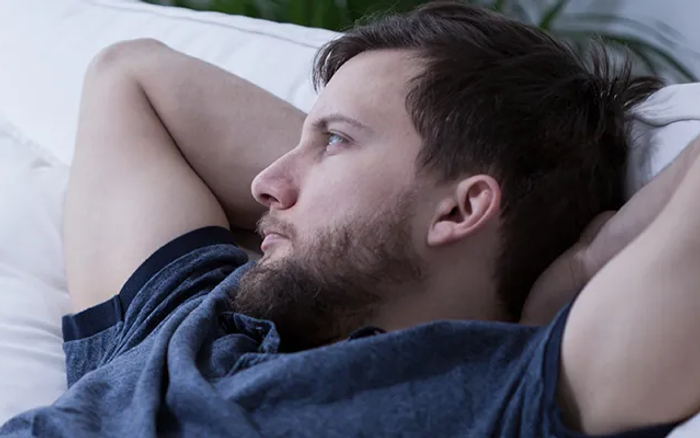
Coping with Loneliness – Lost In Translation

The unlikely friendship in Lost in Translation offers a window into the relationship between loneliness and insomnia. I reflect on how setting aside judgment and sharing something genuine can help us feel less alone and more at ease.

Read article
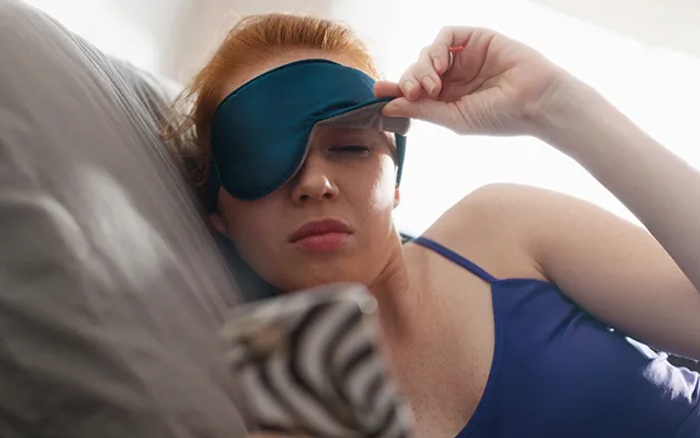
Chromosome Telomeres: What’s Sleep Got To Do With It?

What might the protective caps on our chromosomes tell us about sleep and stress? I look at research linking telomere length with sleep quality and explore why meditation and self-compassion have drawn researchers’ attention.

Read article
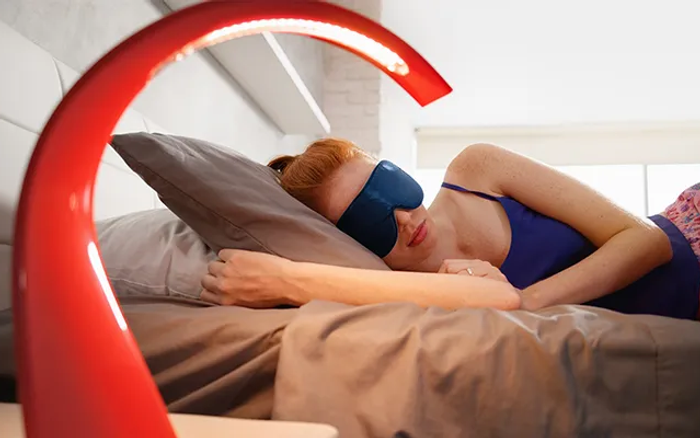
From Insomnia to Better Sleep – Are We Trying Too Hard?

As sleep gadgets multiply, are we getting closer to understanding why we cannot sleep? I question the search for a technological fix and consider whether the answers may lie closer to home, in our habits and emotional lives.

Read article
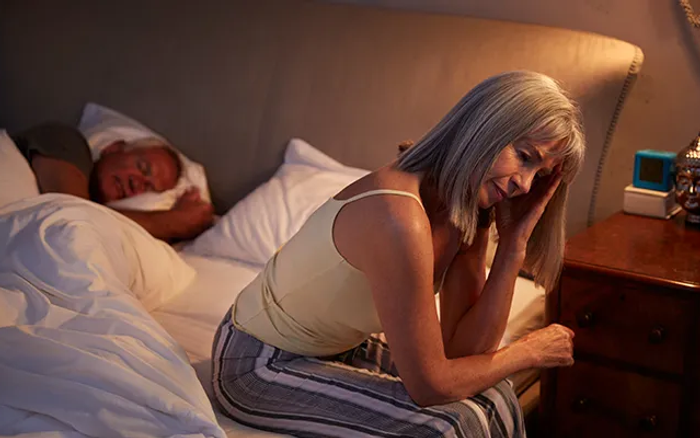
Insomnia Tips and Answers – The Shared Bed

Why does sharing a bed soothe one person and keep another wide awake? Through two contrasting experiences, I explore how attachment styles, relationship harmony, and a sense of safety can influence sleep beside a partner.

Read article
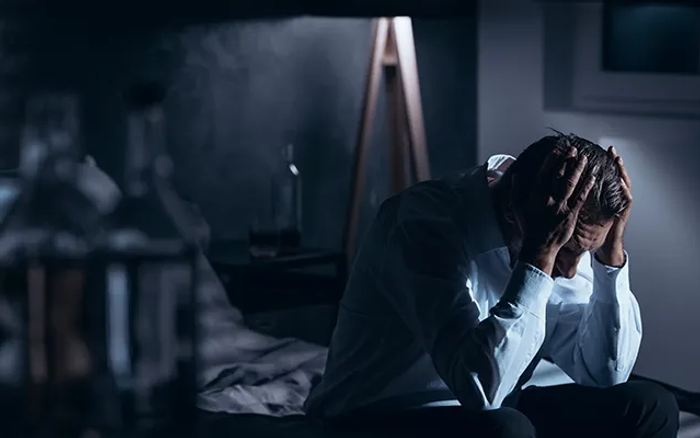
Depression and Insomnia: A Sleep Story

Ernesto spends his days caring for others while struggling with depression and years of disrupted sleep. His story offers a personal look at how these difficulties intertwine and raises questions about caring for ourselves as well as those around us.

Read article
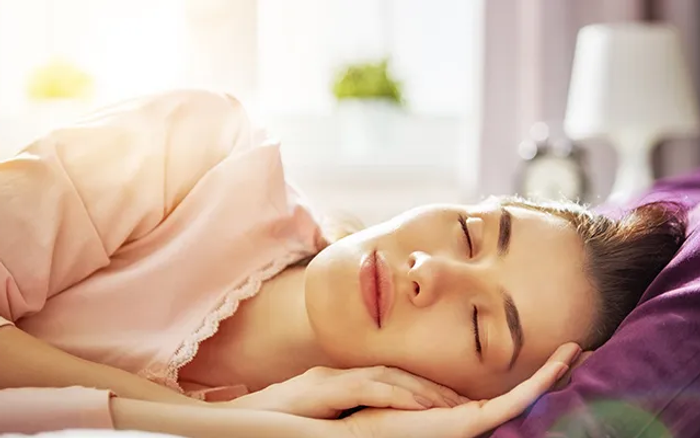
Why Do We Sleep?

Sleep may look like doing nothing, but the brain and body remain busy. I explore what research on sleep deprivation reveals about restoration, immune function, mood, and why rest is essential to our well-being.

Read article

All writing

Why Do We Sleep?

Sleep may look like doing nothing, but the brain and body remain busy. I explore what research on sleep deprivation reveals about restoration, immune function, mood, and why rest is essential to our well-being.

A reader recently asked me, “Why do we sleep?” Why can’t we be like “Data” from “Star Trek: The Next Generation?” Remember how he stood stoically in his chamber, eyes open, appearing to do nothing, while his comrades slumbered? Data didn’t need to sleep because he was an android.

Similar to putting our smartphones into sleep mode to save battery, Data turned down, but not off. As he often stood, staring at a wall, he wasn’t physically active but his brain continued to process, sort of like engaging in an 8 hour meditation.

We’re a little like Data in that when we sleep we don’t completely turn off. We breathe, our hearts beat, our brains are active. In fact, the only difference seems to be that we lose consciousness.

It is natural for us to lose consciousness and we notice as unhealthy when someone, for whatever reason, decides to pull an all-nighter. “That person is going to pay,” one may think. It is such an anomaly to stay awake all night that Picard, in one Star Trek episode, is so uncomfortable with Data not sleeping that he decides to join him vs sleep despite him.

Why Do We Sleep? To Survive

We intuitively know humans need to sleep in order to survive. Just like hunger pains signal our minds to eat, drowsiness signals our bodies to sleep. Without food we wouldn’t survive. Without sleep we wouldn’t either. In order for our bodies and brains to continue to function, they seem to need rejuvenation. We come by this conclusion via research studies on sleep deprivation. That is, by discovering what happens to us when we don’t sleep, we deduce why we must sleep.

Instinctively, we know that when we don’t lie down, close our eyes and slip into the unconscious, we are not very well in the days following. We aren’t as sharp, as physically active, as patient or as happy. We can feel run down or even a bit sick. Sleep scientist, Carol Everson, Ph.D. has spent her career primarily researching the various effects of sleep deprivation on physical health.

What she found is that, in rats, cell damage, particularly to the heart, lung, and small intestine is pronounced when they don’t sleep (Sleep, December 2014.) She also discovered that bone health seems to suffer as a result of lack of sleep. (Experimental Biology and Medicine, 2012.) In addition, lack of sleep adversely affects our cognitive abilities (Ferrie, JE et al, Journal of Sleep, 2011; ) and our emotional well-being—we are angrier, more anxious, and more depressed when we don’t sleep enough (American Psychological Association, October 2005; Gordon, Psychology Today, 2013.)

Why Do We Sleep? The Effects of Sleep

While the exact mechanism that proves how sleep affects our mental, emotional and physical health is still somewhat of a mystery, scientists have studied cerebral spinal fluid function (the mechanism that helps drain toxins from the brain), leukocyte function (the operation of white blood cells to fight disease) and orexin (neuropeptides that regulate arousal, wakefulness and appetite) to name a few. Some of what they’ve found is that:

1) Cerebral spinal fluid is paramount in flushing out a toxin called beta amyloid in the brain tissue. Sleep helps this flushing process, decreasing the chance of beta amyloid build up which can cause disease. For example, it is known that Alzheimer’s patients have a high amount of beta amyloid in their brains (Nedergaard et al, Science, October 2013.)

2) When rats have induced sleep deprivation for several days in a row, their white blood cells become damaged and, subsequently, organ function is compromised. While recovery sleep seems to reverse the damage to some extent, it appears that damage, particularly to the small intestine, may be more permanent (Everson, CA et al, Sleep, December 2014.)

It should be noted that damage to the small intestine greatly affects immune function and gives speculation about lack of sleep and autoimmune disease. In addition, there is a lot of discussion about C-reactive protein (a marker for bodily inflammation.)

CRP increases when sleep disturbance is present, indicating rising levels of inflammation in the body (Irwin, M. Sleep Meeting 2016.)

3) Orexins are neuropeptides produced in the hypothalamus and responsible, in part, for wakefulness. Orexin was shown to play a substantial role in the need for sleep in sleep deprived mice and has been recorded as low in narcoleptic patients (Matsuki, et al, Neuroscience, 2015.) Scientists are honing in on how and why these neuropeptides play a key role in why we sleep.

Sleep Staves Off Illness

Back to Data and Picard, we can intuitively understand that giving our human bodies a rest, gives them a chance to restore. We are not androids…yet. Like a car, the more it intermittently rests, the more years it takes for its tires to lose tread or for its engine to fail.

Eventually, all of us tire and die, but the more we take care of our bodies through sleep, the longer they seem to last. In fact, that may be all some of you need to know when answering the question “Why do we sleep?”

Why Do We Sleep?: Conclusion

We sleep so we don’t die from exhaustion. We sleep to have a healthy, long life (even though we’re sleeping for a third of it!)

When all is said and done, however, while we sleep essentially to stave off illness (short sleepers have an increased morbidity risk of 12%), we can also increase our morbidity risk by 30% if we sleep too much (Irwin, M., Sleep Meeting 2016.)

In other words, we don’t want to let the car sit in the garage too long without starting it up. Getting the right amount (7-8 hours a night) of sleep is one significant key to physical, mental and emotional well-being.