

Meg Van Deusen

Have National Election Results Kept People Up at Night?

In the aftermath of the 2016 election, many people described feeling too unsettled to sleep. I explore how uncertainty and a shaken sense of belonging can fuel vigilance, and how compassionate action may help restore a sense of security.

Read article
Broken Sleep

Does the number of hours we sleep tell the whole story? I explore research on interrupted sleep, inflammation, and stress, asking why sleep quality and emotional well-being deserve attention alongside sleep duration.

Read article
About Insomnia and Fear of the Dark

Night can stir fears about both the world around us and the parts of ourselves we do not fully understand. Drawing on history and Jungian psychology, I reflect on vigilance, dreams, and finding greater comfort in the dark.

Read article
Sleep and Attachment Style

The ways we seek closeness and respond to separation may follow us into bed. I explore how attachment patterns, daily stress, and the reassurance of dependable relationships can shape our ability to settle into sleep.

Read article
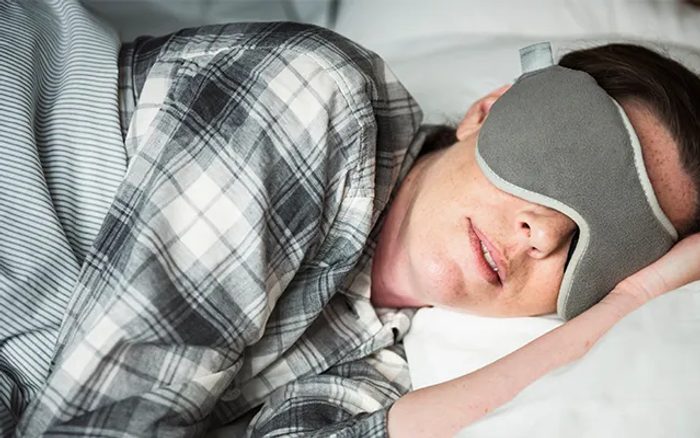
Insomnia Sleep Aids: Gadgets and Gizmos

After walking the maze of sleep gadgets and supplements on display, I consider what these costly aids promise, what they actually deliver, and whether simple, evidence-based changes might be the more powerful cure.

Read article
Daytime Naps: To Nap or Not To Nap

Are daytime naps restorative or disruptive? I explore what the research says about siestas, chronotypes, and sleep cycles to help you decide whether napping supports—or sabotages—your nighttime rest.

Read article
How to Deal with Insomnia: Part 2

How a mindfulness-based approach can help loosen insomnia’s grip by teaching us to notice, detach from, and gently redirect the worried thoughts that keep us awake.

Read article
How to Deal with Insomnia: Part 1

What insomnia really is, why it develops, and how mindful awareness and evidence-based interventions can begin to break the exhausting cycle of sleeplessness and worry.

Read article

Short Sleep Duration: Myth or Fact?

Is six hours of sleep is truly enough? What does the science reveal about the hidden physical and cognitive costs of chronic sleep restriction?

Read article
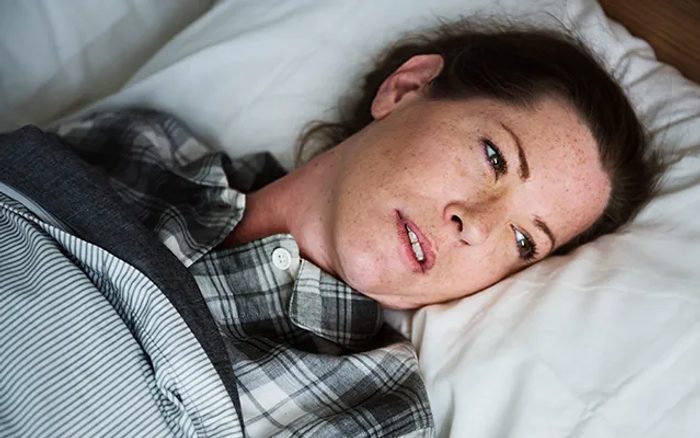
Sleep Deprivation: A Pervasive Phenomenon

Exploring the personal, cultural, and biological forces quietly driving our growing national crisis of sleep deprivation.

Read article

All writing

Have National Election Results Kept People Up at Night?

In the aftermath of the 2016 election, many people described feeling too unsettled to sleep. I explore how uncertainty and a shaken sense of belonging can fuel vigilance, and how compassionate action may help restore a sense of security.

Have national election results kept people up at night? The simple answer to the title of this post is, “yes.” Since Tuesday’s election outcome, I have spoken with many people about their feelings and about their struggles with the unsettling rhetoric of the Republican candidate, now President-Elect. The consensus? Young and old, white and non-white, rich and poor, straight or LGBT, many people are ill at ease and many aren’t sleeping. Many don’t feel safe; many don’t feel protected.

As I discussed in my posts Sleep and Attachment and Fear of the Dark and Insomnia people tend to lie awake at night when they don’t feel a proper “holding environment.” That is, when one’s community is fragmented or fragile, be it a family community, a religious community, a work community or a national community, anxiety arises.

National Election Results and Insomnia

When we don’t feel understood, when we don’t feel someone has our back, when our pain goes un-soothed, we can remain vigilant and, as a result, insomnia can set in. The equation is simple: when we feel compassionately and consistently responded to, we feel secure and security brings a restful state; when we feel dismissed and abandoned, we feel insecure which breeds an anxious state.

Many of my clients, some of my colleagues and even a few of my children’s friends couldn’t sleep the night of the election as Donald Trump was not a soothing response to their needs and desires as a member of our national community.

Because Trump’s campaign has been anything but inclusive and has threatened war, walls and waning support for our planet, many people feel threatened. While some worry about losing health insurance benefits and others fear being estranged from their families through deportation, the list is long and the anxiety is high with reference to what Trump may actually do or not do for the American people.

If you are gay, lesbian, bisexual or transgender you may lose your rights to marriage equality, if you are a woman, you may not gain your right to equal pay and you may lose the right to make decisions about your body, if you are non-white, you may continue to suffer from economic discrimination against you and if you are an immigrant, you may lose your right to stay united with your family, just to name a few. This is scary. This is dark.

As I referenced in Fear of the Dark and Insomnia, people naturally stay vigilant when they sense something threatening lurks in the darkness. Many of Trump’s statements are threats and the darkness is the unknown. In other words, will he actually do what he says he’s going to do? We don’t know. Thus, we remain agitated, vigilant, unable to rest.

One of my patient’s, who suffers from anxiety and occasional insomnia, has repeatedly said over the years, “I need a plan.” In other words, as long as she feels lost in the darkness, without a beacon, she lies awake at night. When she establishes a plan, a strategy about how to affect her life, she feels contained. She has a “holding environment.” Another patient has learned that if she acts on her thoughts vs chews on them, her anxiety subsides and she sleeps better.

Election Results: Conclusion

Perhaps, the comfort we can find amidst the current threatening darkness of the national election results is a plan, a course of action. Perhaps we need to, at first, “stay awake” in order to establish that plan. And, if that plan, individually and collectively, is compassionate, productive and cohesive, it will make things safer, clearer, more inclusive and less fragmenting for all of us living in the United States. Therefore, a “secure attachment” to our nation could result. After all, in the spirit of our forefathers, we are meant to be a nation that is “indivisible with liberty and justice for all.” Maybe you can think of your plan and sleep on that.