

Meg Van Deusen

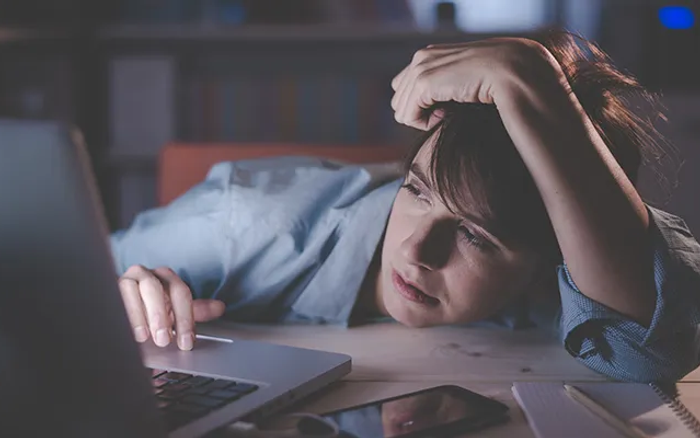
Have National Election Results Kept People Up at Night?

In the aftermath of the 2016 election, many people described feeling too unsettled to sleep. I explore how uncertainty and a shaken sense of belonging can fuel vigilance, and how compassionate action may help restore a sense of security.

Read article
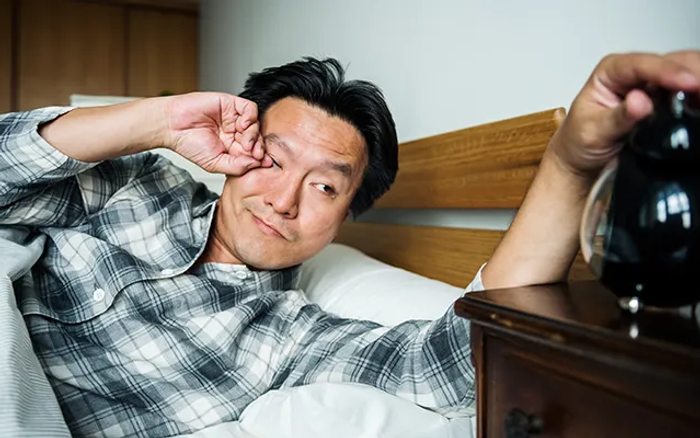
Broken Sleep

Does the number of hours we sleep tell the whole story? I explore research on interrupted sleep, inflammation, and stress, asking why sleep quality and emotional well-being deserve attention alongside sleep duration.

Read article
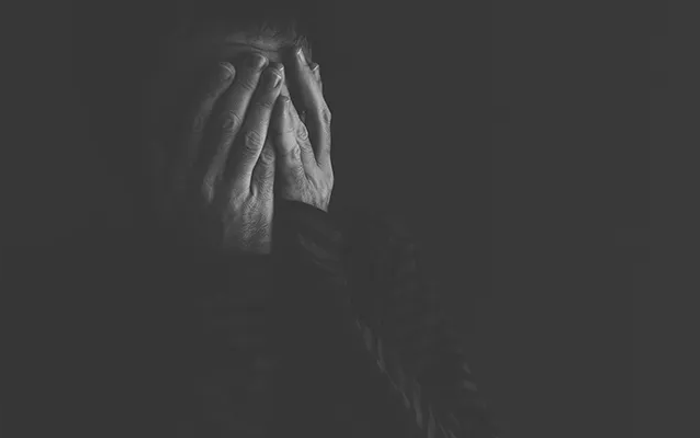
About Insomnia and Fear of the Dark

Night can stir fears about both the world around us and the parts of ourselves we do not fully understand. Drawing on history and Jungian psychology, I reflect on vigilance, dreams, and finding greater comfort in the dark.

Read article

Sleep and Attachment Style

The ways we seek closeness and respond to separation may follow us into bed. I explore how attachment patterns, daily stress, and the reassurance of dependable relationships can shape our ability to settle into sleep.

Read article
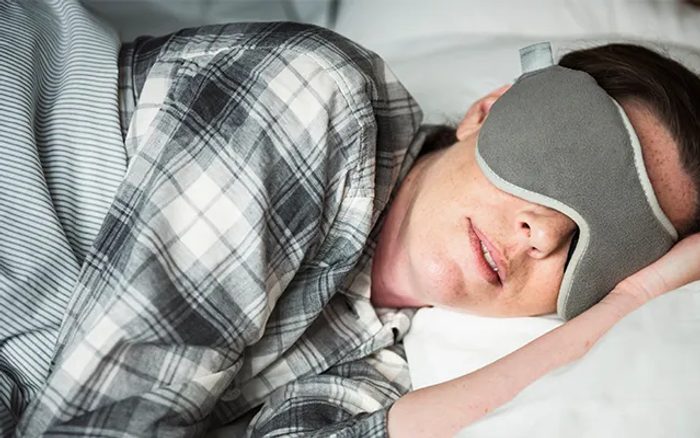
Insomnia Sleep Aids: Gadgets and Gizmos

After walking the maze of sleep gadgets and supplements on display, I consider what these costly aids promise, what they actually deliver, and whether simple, evidence-based changes might be the more powerful cure.

Read article
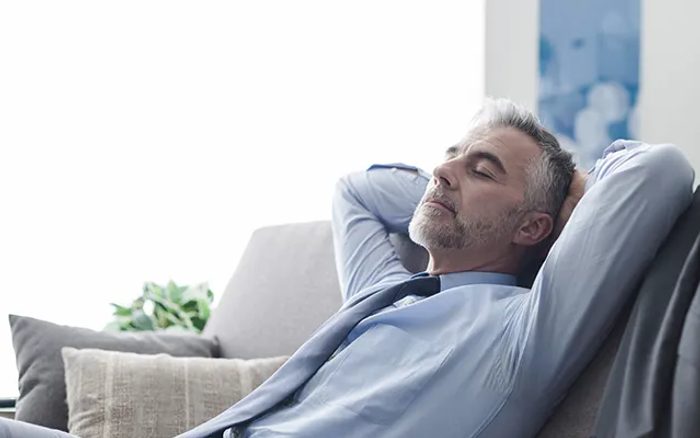
Daytime Naps: To Nap or Not To Nap

Are daytime naps restorative or disruptive? I explore what the research says about siestas, chronotypes, and sleep cycles to help you decide whether napping supports—or sabotages—your nighttime rest.

Read article
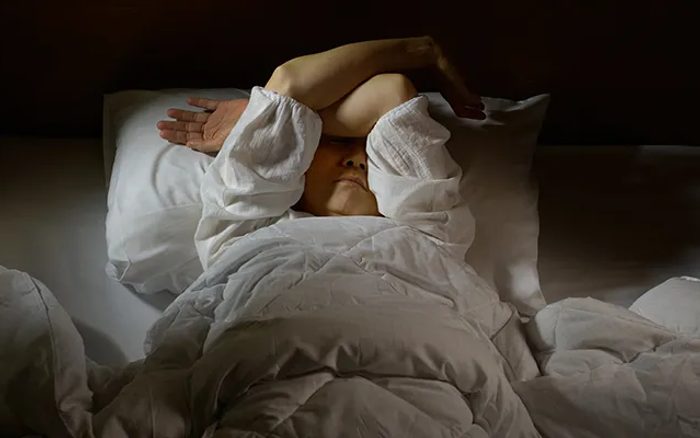
How to Deal with Insomnia: Part 2

How a mindfulness-based approach can help loosen insomnia’s grip by teaching us to notice, detach from, and gently redirect the worried thoughts that keep us awake.

Read article
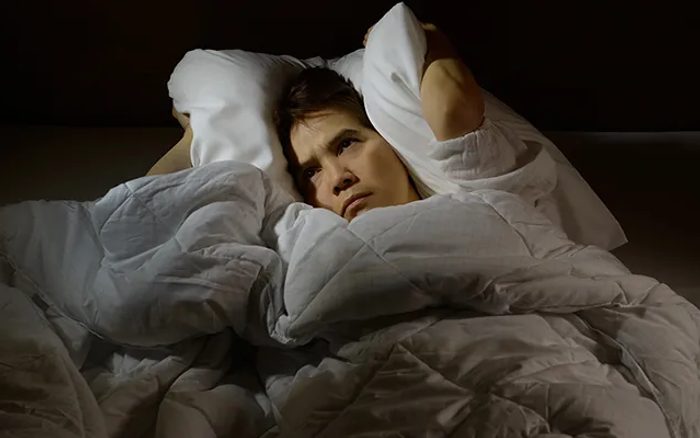
How to Deal with Insomnia: Part 1

What insomnia really is, why it develops, and how mindful awareness and evidence-based interventions can begin to break the exhausting cycle of sleeplessness and worry.

Read article

Short Sleep Duration: Myth or Fact?

Is six hours of sleep is truly enough? What does the science reveal about the hidden physical and cognitive costs of chronic sleep restriction?

Read article
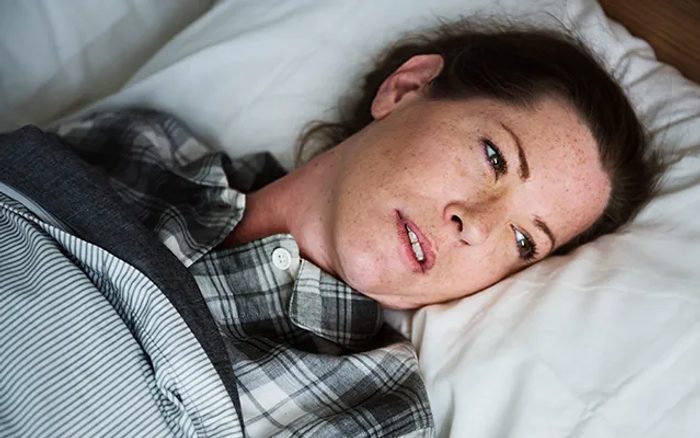
Sleep Deprivation: A Pervasive Phenomenon

Exploring the personal, cultural, and biological forces quietly driving our growing national crisis of sleep deprivation.

Read article

All writing

Sleep Deprivation: A Pervasive Phenomenon

Exploring the personal, cultural, and biological forces quietly driving our growing national crisis of sleep deprivation.

Today I launch my blog on sleep—a topic near and dear to my heart, not only because I’ve had my own battles with sleep, but because I’ve listened to hundreds of patients wrestle with this elusive and complex phenomenon. I’ve watched a culture, our hard-working, well-meaning American culture, sacrifice sleep, bit by bit, year by year until 6 hours a night has become standard in many households

My tumultuous relationship with sleep began some 15 years ago when my first child began sleeping through the night at 8 months old and I discovered I no longer could. I remember it well. I had happily climbed into my Tempurpedic bed, comforted by the cool sheets and heavy duvet, anticipating getting those precious 8 hours I lovingly remembered from my pre-parent days. But instead of slumber came restlessness, vigilance, rumination. I had waited 8 months for this? I tried to will it. “Just sleep.” I tried to lure it. “O.k., meditate.” I think I eked out about 4 hours that night, which left me exhausted and compromised that next day.

Why are so many Americans suffering from sleeplessness? Between 1985 and 2004 the number of people getting less than 6 hours of sleep a night grew by approximately 10 %. It grew despite the numerous options for sleep medicines on the market. It continues to grow, despite the increasing popularity of practiced “sleep hygiene” and despite the frequently publicized, associated hazards of sleep deprivation on our overall health. It seems our pressure to produce and our ever present availability through technology may be affecting our sleep, both directly and indirectly. Some research indicates our diet, our work schedules and a culture that associates getting little sleep with being tough also contribute to sleep deprivation in our country.

What was wrong with me that night I couldn’t sleep (and many following?) I may have had hormonal imbalances. After all, cortisol had been pumping through my body pretty regularly the past year as I juggled work, a tenacious baby and an identity shift into motherhood. Or, perhaps, my circadian rhythm had shifted after having slept odd hours repeatedly while my newborn adjusted to the world. A third speculation is that being a mother and psychotherapist had kicked me into overdrive, leaving me unable to get off watch, perpetually vigilant. Last, my attachments had changed. Although I had a new, beautiful son, I had lost my net (my friendship circle) as I knew it, given my hectic new life of a chronically exhausted, working mother. According to psychoanalyst D. W. Winnicott, babies need a proper “holding environment” to assure emotional safety. We may be overlooking the fact that new parents need this as well.

Let’s face it. Our society is changing and its increasing demands also seem to be affecting our sleep. From longer work hours to the buzzing of text messages at night to the blue light from our e-readers, intrusions into our sleep are growing. The repercussions of such facts are disturbing and they are not just affecting adults. In 2004 the National Sleep Foundation reported that 30% of our children were getting less than adequate sleep. Then, in 2006, this same foundation reported that nearly 50% of our nation’s adolescents were sleep deprived. Mine is one of them.

In this blog, I’ll investigate various sleep disorders and review the research on sleep deprivation as a whole. I hope to offer insight from my interviews with people both inside and outside the field of sleep. I’ll relay stories from my psychotherapy practice and from my personal life in order to better understand the growing phenomenon of sleep loss. And I’ll take a sober look at sleep deprivation’s cost emotionally, mentally, physically and fiscally to America. I’m a clinical psychologist with years of study and practice under my belt, but I do not have the magic cure for sleep deprivation. Even though we can affect much with the strength and wisdom of our minds, we can’t always fight the beast alone. Perhaps if we enter the dark, yet powerful world of sleep together we can find some answers.