
Meg Van Deusen

Have National Election Results Kept People Up at Night?

In the aftermath of the 2016 election, many people described feeling too unsettled to sleep. I explore how uncertainty and a shaken sense of belonging can fuel vigilance, and how compassionate action may help restore a sense of security.

Read article
Broken Sleep

Does the number of hours we sleep tell the whole story? I explore research on interrupted sleep, inflammation, and stress, asking why sleep quality and emotional well-being deserve attention alongside sleep duration.

Read article
About Insomnia and Fear of the Dark

Night can stir fears about both the world around us and the parts of ourselves we do not fully understand. Drawing on history and Jungian psychology, I reflect on vigilance, dreams, and finding greater comfort in the dark.

Read article

Sleep and Attachment Style

The ways we seek closeness and respond to separation may follow us into bed. I explore how attachment patterns, daily stress, and the reassurance of dependable relationships can shape our ability to settle into sleep.

Read article
Insomnia Sleep Aids: Gadgets and Gizmos

After walking the maze of sleep gadgets and supplements on display, I consider what these costly aids promise, what they actually deliver, and whether simple, evidence-based changes might be the more powerful cure.

Read article
Daytime Naps: To Nap or Not To Nap

Are daytime naps restorative or disruptive? I explore what the research says about siestas, chronotypes, and sleep cycles to help you decide whether napping supports—or sabotages—your nighttime rest.

Read article
How to Deal with Insomnia: Part 2

How a mindfulness-based approach can help loosen insomnia’s grip by teaching us to notice, detach from, and gently redirect the worried thoughts that keep us awake.

Read article
How to Deal with Insomnia: Part 1

What insomnia really is, why it develops, and how mindful awareness and evidence-based interventions can begin to break the exhausting cycle of sleeplessness and worry.

Read article

Short Sleep Duration: Myth or Fact?

Is six hours of sleep is truly enough? What does the science reveal about the hidden physical and cognitive costs of chronic sleep restriction?

Read article
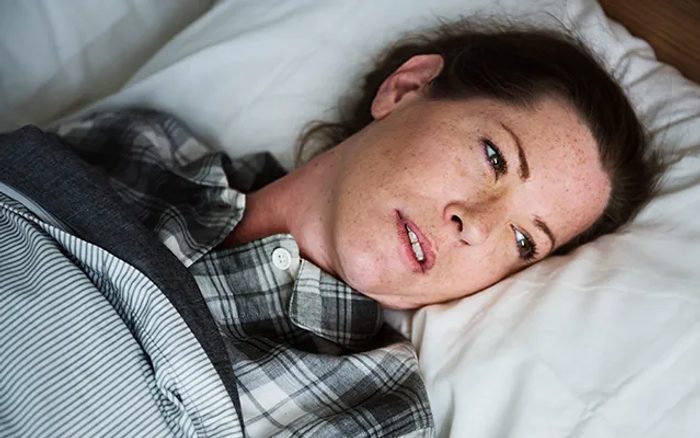
Sleep Deprivation: A Pervasive Phenomenon

Exploring the personal, cultural, and biological forces quietly driving our growing national crisis of sleep deprivation.

Read article

All writing

About Insomnia and Fear of the Dark

Night can stir fears about both the world around us and the parts of ourselves we do not fully understand. Drawing on history and Jungian psychology, I reflect on vigilance, dreams, and finding greater comfort in the dark.

In his book At Day’s Close, Night in Times Past, Roger Ekirch says, “Night was man’s first necessary evil, our oldest and most haunting terror.” He’s referring primarily to the sentiment of ancient people as well as those of the pre-industrial era.

Ideas about our fears of the dark

Ekirch explains that whether fear of the dark (the night) originated from nighttime attacks of war or unseen animal sounds or even from ghost stories passed from one generation to the next, anxiety about the night was a widespread phenomenon before electricity was invented and lamps could more readily illuminate the darkness.

Ekirch’s research declares that going to bed at night, while in the cases of slaves and servants, could be a welcome respite from the hard work and abuse during the day, for most it was fraught with anxiety and disease. People felt vulnerable to the dangers of the night…to what may happen while one is unconscious and unaware of his or her surroundings or body.

The Swiss psychiatrist, Carl Jung, had a different idea about darkness. He believed that our fear of the dark had more to do with our fear of the dark aspects of ourselves (such as our capacity to by violent) and, therefore, was just a projection of one’s shadow onto the world.

He believed that the more one was able to reckon with the darkness of his or her own soul, the less threatened he or she would be by the darkness in others. Nighttime was symbol for Jung (Memories, Dreams, Reflections.)

Insomnia and fear of the dark

When I think about Insomnia, I can’t help but think about both of these theories: that nighttime was often a scary and vulnerable time due to enemy groups attacking or nocturnal animals screeching as well as the fact that nighttime represents all that which we do not know and understand about our humanness.

Both ideas can leave a person feeling out of control, and therefore, intentional or not, Insomnia can develop as a way of staying vigilant against threat, protected, and theoretically safer.

We know that people who suffer from anxiety and depression tend to suffer from Insomnia. While I’ve explained in a previous post that these two psychological afflictions have a bidirectional relationship with Insomnia, I also have witnessed how the simple fear of terrible things happening keeps one awake at night.

Yes, it is true that most crime occurs between midnight and 1am and that the majority of crime occurs in residences (FBI National Press Office, 2013), but many people are awake at night, not because they are worried about someone breaking into their home, but because they are worried about what terrible thing could occur at work or to their families or because they are trying to understand themselves and their lives.

It is also true that not getting enough sleep (because one is vigilantly trying to problem solve or protect oneself) takes a destructive toll on the body (see research by C. Everson et al) which can lead to terrible things happening!

A comforting belief of Jung’s was that the unconscious (or darkness of the psyche) comprises both good and bad aspects of the self. However, in his iconic book Memories, Dreams and Reflections he also states that whenever there is a reaching down into the most inner experience of one’s personality, that “most people are overcome with fear and run away.”

About Insomnia and Fear of the Dark: Conclusion

While many don’t realize it, sleep actually gives us the opportunity to reach into these innermost parts of ourselves via the vibrant world of dreams. Once we become familiar with how dreams can actually guide us and illuminate the unknown, thereby giving us better control of our lives, we may start to feel more comforted by the night.

Yes, we may have inherited our ancestors’ understandable fears of darkness, but we have also accumulated a wealth of psychological knowledge over the centuries. It isn’t just the dawning of electricity that eased our anxiety by illuminating a dark world, it is raising the unconscious to consciousness that can illuminate the awesome nature of our soul, and, hopefully bring more peace to our otherwise restless minds.