


Meg Van Deusen

How to Reduce Stress – Three Simple Ways

Being constantly connected can leave us feeling constantly on call. I share three practical boundaries around technology—designated off times, scheduled message checks, and device-free spaces—to make more room for rest and undivided attention.

Read article
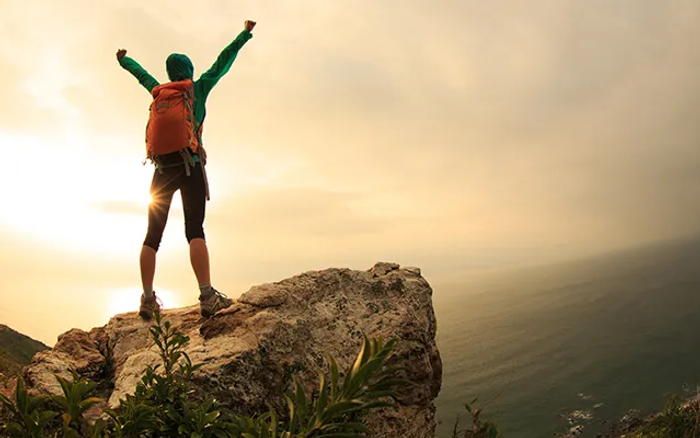
Nature as a Stress-Reliever

A tree, a stretch of sky, or even a photograph of a landscape can offer a pause from daily demands. I explore how nature’s beauty and sense of scale can bring comfort, connection, and a wider perspective on our worries.

Read article
What is Mindfulness?

Mindfulness means paying attention to the present with curiosity and without judgment. I explore how observing our thoughts and feelings can change our response to stress, along with a simple breathing practice to get started.

Read article

Children and Stress

Loving relationships help children weather stress, but even well-supported kids can struggle under pressure to achieve. I explore the role of secure attachment and how parents can help children feel valued beyond grades, accomplishments, and status.

Read article

The Difference Between Anxiety and Stress

Stress and anxiety can feel similar in the body, but the experiences behind them may differ. Through everyday examples, I explore reactions to immediate threats, worries about the unknown, and feelings we have yet to acknowledge.

Read article

Can A Positive Event Be A Cause Of Stress?

A wedding, a promotion, or a move can be welcome and unsettling at the same time. I explore why positive changes can bring stress and how patience, reassurance, and room for mixed feelings can ease the transition.

Read article

Coping with Loneliness – Lost In Translation

The unlikely friendship in Lost in Translation offers a window into the relationship between loneliness and insomnia. I reflect on how setting aside judgment and sharing something genuine can help us feel less alone and more at ease.

Read article

Chromosome Telomeres: What’s Sleep Got To Do With It?

What might the protective caps on our chromosomes tell us about sleep and stress? I look at research linking telomere length with sleep quality and explore why meditation and self-compassion have drawn researchers’ attention.

Read article

From Insomnia to Better Sleep – Are We Trying Too Hard?

As sleep gadgets multiply, are we getting closer to understanding why we cannot sleep? I question the search for a technological fix and consider whether the answers may lie closer to home, in our habits and emotional lives.

Read article

Insomnia Tips and Answers – The Shared Bed

Why does sharing a bed soothe one person and keep another wide awake? Through two contrasting experiences, I explore how attachment styles, relationship harmony, and a sense of safety can influence sleep beside a partner.

Read article

Depression and Insomnia: A Sleep Story

Ernesto spends his days caring for others while struggling with depression and years of disrupted sleep. His story offers a personal look at how these difficulties intertwine and raises questions about caring for ourselves as well as those around us.

Read article

Why Do We Sleep?

Sleep may look like doing nothing, but the brain and body remain busy. I explore what research on sleep deprivation reveals about restoration, immune function, mood, and why rest is essential to our well-being.

Read article

All writing

Nature as a Stress-Reliever

A tree, a stretch of sky, or even a photograph of a landscape can offer a pause from daily demands. I explore how nature’s beauty and sense of scale can bring comfort, connection, and a wider perspective on our worries.

Nature is a great stress-reliever. When stressed it’s good to have a resource outside oneself that isn’t dependent on having a confidante or peaceful house to come home to.

While confidantes and inviting homes make a world of difference in reducing our loneliness and stress because they provide a safe place for us to be ourselves and relax, respectively, they don’t exist for everyone or aren’t always available when we need them.

When this is the case, no matter where you find yourself—the country or the inner city or somewhere in between—nature can be a place of comfort and a source of stress-reduction.

How nature is a stress-reliever

When I speak of nature, I’m talking about the earth. Because the origin of the word nature comes from the Latin word natura, meaning birth, we have personified nature as our birth mother, and therefore, refer to it at times as “mother nature” or “mother earth.”

It is the place from which we receive nurturance and sustenance. It provides us water to drink and food to eat. It shelters us with its trees and even clothes us with its cotton. But we can forget that nature offers us these gifts and not recognize how much nature can actually help us.

How can nature reduce our stress? First, it provides us a respite from the daily hustle and bustle of technology, traffic and information overload. When we go outdoors into nature and sit under a tree, put our feet in the dirt or look up to the sky, we move toward that which is simple, calm and receptive.

Nature doesn’t demand anything from us. Instead, it provides us with quiet and beauty. It reminds us that there is comfort in the sensual experience of leaning against a tree, listening to the wind or lying on the grass. It relieves us from the pressure to be productive and allows us to receive nurturance and just “be.”

Nature as a stress-reliever: Awe-inspiring

Second, nature can provide us with a sense of awe. Things or events that are extraordinary or larger than we are can be awe-inspiring. When we pause to take in the extraordinary, like a star-filled sky or vast mountain range, we get the sense that life is bigger than our glitchy computer, our poor grade in chemistry, our demanding job or even our broken relationship.

Dacher Keltner, research psychologist at UC Berkeley, found that when humans experience moments of awe in nature, cortisol (the stress hormone) decreases and our nervous systems calm. In addition, we feel more generous with others, happier and more connected. We feel we are a part of something meaningful and bigger than day to day irritations and worries.

Nature as a stress-reliever: Pictures

Third, it’s not just awe-inspiring nature, like a star-filled sky or the grand canyon that helps us. If you live in an urban setting that is wont of trees or where smog obstructs your view of the stars or the ocean, don’t worry.

Several studies have shown that just looking at photographs of nature can reduce Interlukin-6 (an inflammatory biomarker that can lead to disease, such as cardiovascular disease.) What’s important to understand about Interlukin 6 is that stress increases inflammation in the body so if this biomarker is reduced, it is likely our stress level is down.

Have you ever been at a doctor’s office and instead of a newsreel scrolling a waiting room screen with stories of the latest terrorist attack, pictures of nature slowly fade in and out? I have and I definitely noticed the effect it had on me. I felt less rushed and irritated. I felt peaceful and more hopeful.

Peacefulness, hopefulness, and calm are typically incongruent with stress. Think about it—just looking a pictures of nature can calm you. According to one study, watching the documentary Planet Earth made research participants see their problems as less significant than they had originally perceived.

Take a Break

Such is the impact nature can have on us. Nature is accessible any time of day or night. It’s right outside your door or even on your television screen.

So take a break from worry, loneliness and overwhelm and be in nature. Listen to the wind, watch a flock of birds, study the clouds in the sky and allow mother earth to nurture, soothe and calm you. Allow nature to give you a wider lens and recognize, that in the grand scheme of things, we’re all in this together, nourished and nurtured by one Great Mother, Earth.