


Meg Van Deusen

How to Reduce Stress – Three Simple Ways

Being constantly connected can leave us feeling constantly on call. I share three practical boundaries around technology—designated off times, scheduled message checks, and device-free spaces—to make more room for rest and undivided attention.

Read article

Nature as a Stress-Reliever

A tree, a stretch of sky, or even a photograph of a landscape can offer a pause from daily demands. I explore how nature’s beauty and sense of scale can bring comfort, connection, and a wider perspective on our worries.

Read article

What is Mindfulness?

Mindfulness means paying attention to the present with curiosity and without judgment. I explore how observing our thoughts and feelings can change our response to stress, along with a simple breathing practice to get started.

Read article

Children and Stress

Loving relationships help children weather stress, but even well-supported kids can struggle under pressure to achieve. I explore the role of secure attachment and how parents can help children feel valued beyond grades, accomplishments, and status.

Read article

The Difference Between Anxiety and Stress

Stress and anxiety can feel similar in the body, but the experiences behind them may differ. Through everyday examples, I explore reactions to immediate threats, worries about the unknown, and feelings we have yet to acknowledge.

Read article

Can A Positive Event Be A Cause Of Stress?

A wedding, a promotion, or a move can be welcome and unsettling at the same time. I explore why positive changes can bring stress and how patience, reassurance, and room for mixed feelings can ease the transition.

Read article

Coping with Loneliness – Lost In Translation

The unlikely friendship in Lost in Translation offers a window into the relationship between loneliness and insomnia. I reflect on how setting aside judgment and sharing something genuine can help us feel less alone and more at ease.

Read article

Chromosome Telomeres: What’s Sleep Got To Do With It?

What might the protective caps on our chromosomes tell us about sleep and stress? I look at research linking telomere length with sleep quality and explore why meditation and self-compassion have drawn researchers’ attention.

Read article
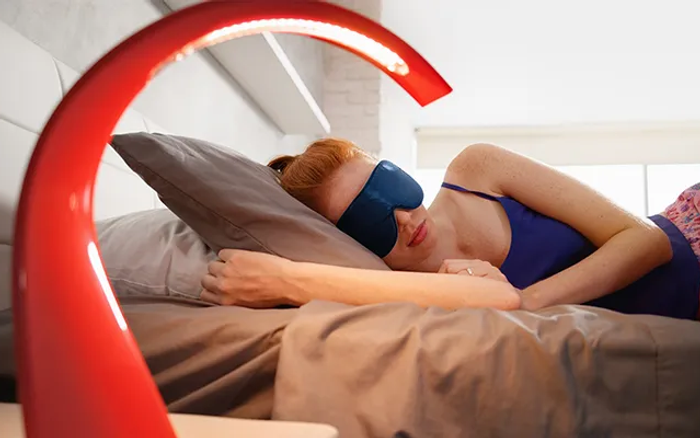
From Insomnia to Better Sleep – Are We Trying Too Hard?

As sleep gadgets multiply, are we getting closer to understanding why we cannot sleep? I question the search for a technological fix and consider whether the answers may lie closer to home, in our habits and emotional lives.

Read article
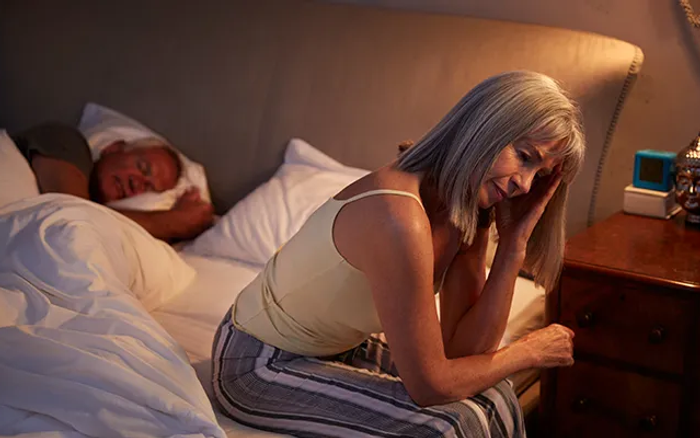
Insomnia Tips and Answers – The Shared Bed

Why does sharing a bed soothe one person and keep another wide awake? Through two contrasting experiences, I explore how attachment styles, relationship harmony, and a sense of safety can influence sleep beside a partner.

Read article

Depression and Insomnia: A Sleep Story

Ernesto spends his days caring for others while struggling with depression and years of disrupted sleep. His story offers a personal look at how these difficulties intertwine and raises questions about caring for ourselves as well as those around us.

Read article

Why Do We Sleep?

Sleep may look like doing nothing, but the brain and body remain busy. I explore what research on sleep deprivation reveals about restoration, immune function, mood, and why rest is essential to our well-being.

Read article

All writing

Coping with Loneliness – Lost In Translation

The unlikely friendship in Lost in Translation offers a window into the relationship between loneliness and insomnia. I reflect on how setting aside judgment and sharing something genuine can help us feel less alone and more at ease.

Coping with Loneliness and its Relation to Insomnia

When in the movie Lost In Translation Charlotte, played by Scarlett Johansson says to Bob Harris, played by Bill Murray “I wish I could sleep” and he responds, “me too” a bond begins to form.

These lost and lonely characters both suffer from insomnia but when the unlikely pair begin to share time and stories, they fall gently and innocently into slumber on Bob’s hotel room bed with no sexual contact or inuendo. Instead, the bedroom scene shows how genuine sharing between the two calms and connects them, allowing them to sleep naturally. Why is that?

Loneliness is a key cause and result of insomnia. Former surgeon general, Vivek Murthy, estimated that almost 50 percent of the US population suffers from loneliness and called it an epidemic, more hazardous to health than smoking.

Coping with Loneliness: Friendship

Loneliness has been linked to a shorter life, but it is also linked to insomnia. Heath Ledger, who accidentally overdosed on sleep medication, famously said, “I think the most common cause of insomnia is simple: it’s loneliness.”

If loneliness is, indeed, a cause and result of insomnia, what can we do about it? One of the key points of Sofia Coppola’s film is that Bob and Charlotte are not people who we imagine would develop a friendship.

They come from different worlds, are at developmentally different places in their lives and have an apparent thirty plus year age gap between them. If they had assumed their differences were a crevasse between them, they wouldn’t have found each other and the necessary comfort gleaned from friendship. Judgment would have gotten in the way.

Coping with Loneliness: Judgment

Judgment of oneself and others predicts loneliness. When we assume that we are unlikable or inferior to others, we shy away from genuine interaction, either keeping conversation superficial or not having it at all.

We further judge our isolation as a result of our flaws and the vicious cycle of loneliness and insomnia ensues. When we judge others, we limit our social connections. We rule out connections that could otherwise make us feel valued and happy.

A social interaction could be something as simple as Charlotte’s authentic, “I wish I could sleep” and Bob’s genuine response of “me too.” There is no guardedness in that short exchange between the strangers. As a result, it creates a meaningful and, we all hoped, lasting bond between the two.

Insomnia can also cause loneliness as people who lie awake at night often feel no one can relate to them. They imagine everyone else is able to sleep. They become anxious and depressed as a result of the sleep deprivation and, therefore, are even more vulnerable to increased loneliness.

Conclusion

So the next time you are lying awake at night, consider two things: One, at least 30 percent of your fellow Americans are also struggling to sleep. You are not alone. Two, consider who you might talk to the next day–the grocery store clerk, someone in the elevator or a sibling you rarely call. The exchange doesn’t have to be long or scripted, just genuine. You may feel a little less lonely and a little more relaxed that next evening.