


How to Reduce Stress – Three Simple Ways
Being constantly connected can leave us feeling constantly on call. I share three practical boundaries around technology—designated off times, scheduled message checks, and device-free spaces—to make more room for rest and undivided attention.
Read article

Nature as a Stress-Reliever
A tree, a stretch of sky, or even a photograph of a landscape can offer a pause from daily demands. I explore how nature’s beauty and sense of scale can bring comfort, connection, and a wider perspective on our worries.
Read article
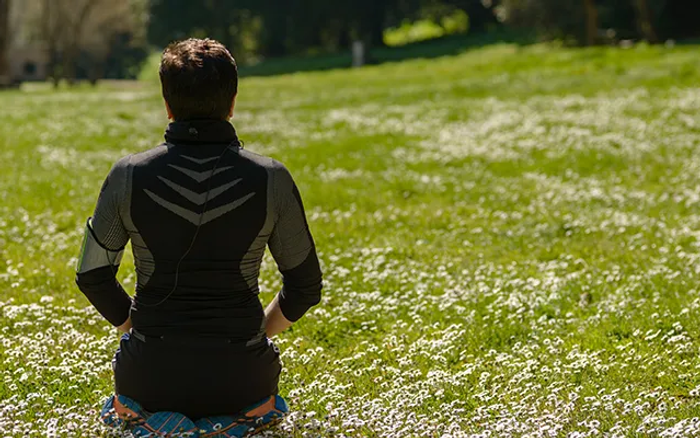
What is Mindfulness?
Mindfulness means paying attention to the present with curiosity and without judgment. I explore how observing our thoughts and feelings can change our response to stress, along with a simple breathing practice to get started.
Read article

Children and Stress
Loving relationships help children weather stress, but even well-supported kids can struggle under pressure to achieve. I explore the role of secure attachment and how parents can help children feel valued beyond grades, accomplishments, and status.
Read article

The Difference Between Anxiety and Stress
Stress and anxiety can feel similar in the body, but the experiences behind them may differ. Through everyday examples, I explore reactions to immediate threats, worries about the unknown, and feelings we have yet to acknowledge.
Read article

Can A Positive Event Be A Cause Of Stress?
A wedding, a promotion, or a move can be welcome and unsettling at the same time. I explore why positive changes can bring stress and how patience, reassurance, and room for mixed feelings can ease the transition.
Read article

Coping with Loneliness – Lost In Translation
The unlikely friendship in Lost in Translation offers a window into the relationship between loneliness and insomnia. I reflect on how setting aside judgment and sharing something genuine can help us feel less alone and more at ease.
Read article

Chromosome Telomeres: What’s Sleep Got To Do With It?
What might the protective caps on our chromosomes tell us about sleep and stress? I look at research linking telomere length with sleep quality and explore why meditation and self-compassion have drawn researchers’ attention.
Read article
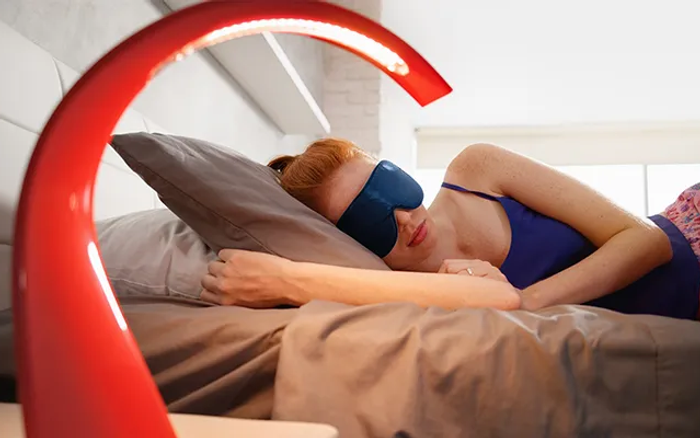
From Insomnia to Better Sleep – Are We Trying Too Hard?
As sleep gadgets multiply, are we getting closer to understanding why we cannot sleep? I question the search for a technological fix and consider whether the answers may lie closer to home, in our habits and emotional lives.
Read article

Insomnia Tips and Answers – The Shared Bed
Why does sharing a bed soothe one person and keep another wide awake? Through two contrasting experiences, I explore how attachment styles, relationship harmony, and a sense of safety can influence sleep beside a partner.
Read article

Depression and Insomnia: A Sleep Story
Ernesto spends his days caring for others while struggling with depression and years of disrupted sleep. His story offers a personal look at how these difficulties intertwine and raises questions about caring for ourselves as well as those around us.
Read article

Why Do We Sleep?
Sleep may look like doing nothing, but the brain and body remain busy. I explore what research on sleep deprivation reveals about restoration, immune function, mood, and why rest is essential to our well-being.
Read article