

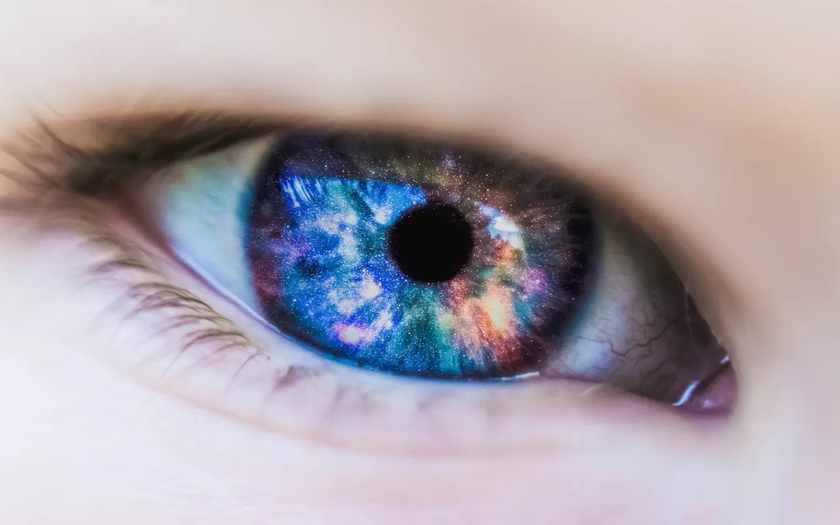
The Power of Eye Contact: A Free and Easy Stress-Reducer
In a world of screens, a moment of warm eye contact can offer something easily overlooked: the feeling of being seen. I explore the links between compassionate attention, social connection, and relief from stress.
Read article

Loving Kindness Meditation: A Response to Loneliness
How can sitting quietly with yourself help you feel less alone? Loving-kindness meditation offers a way to notice self-judgment, practice compassion, and approach both yourself and others with greater warmth and connection.
Read article

Five Things To Do When Feeling Defeated and Overwhelmed
When life feels like an endless treadmill, pushing harder may leave you more depleted. These five steps begin with a pause and lead toward understanding your needs, clarifying what matters, and taking one small step forward.
Read article

Help Relieve Stress by Cultivating Hope
Chronic stress can narrow our view until problems seem like all there is. I explore how noticing what is good, treating ourselves kindly, and creating a practical path toward meaningful goals can help restore hope.
Read article

Meditation Benefits
Stress can make it difficult to focus, regulate emotions, and think through decisions. I look at how mindfulness meditation may help us pause, steady our attention, and respond from a calmer place.
Read article

Reducing Stress In The Classroom
What changes when a teacher asks what a student has been through before judging their behavior? A conversation with an experienced educator explores how understanding trauma, collaborative learning, and restorative justice can build trust and reduce classroom stress.
Read article

Social Media (for better or worse?)
We often reach for social media to feel connected, yet leave feeling lonelier or less satisfied. I examine that tension and share ways families, schools, and communities can support healthier habits and more time together in person.
Read article

Could Your Gut Be Causing Your Anxiety and Stress?
Stress can unsettle the gut, but could the gut also influence how we feel? I explore the two-way relationship between the microbiome and the brain, including the promise and limitations of early research on probiotics.
Read article

Coping with Holiday Stress
The gap between an ideal holiday and the one we actually experience can bring disappointment and tension. Through one family’s story, I explore how compassion, flexible expectations, and intentional choices can make room for a more meaningful celebration.
Read article

Anxiety Self Help Tips
Worry can keep us circling problems we cannot control. Through one father’s experience, I explore how compassionate engagement with the people we love can interrupt anxious rumination and strengthen our sense of connection.
Read article
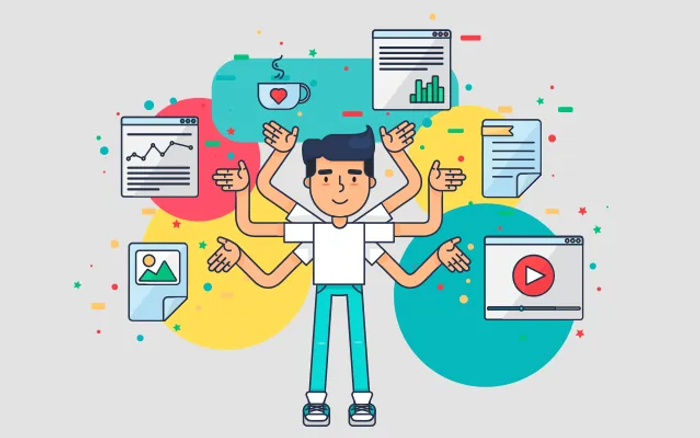
Living in a World of Information Overload
Constant messages, notifications, and news can leave little room to hear ourselves think. I explore the pull of always being available and how stepping away from our devices can create space for calm, curiosity, and genuine connection.
Read article

Feeling Lonely
Why can someone surrounded by people feel lonely while someone living alone feels deeply connected? I explore the role of perception and self-judgment, and how hope, compassion, and openness can help us feel a greater sense of belonging.
Read article