

Meg Van Deusen

The Power of Eye Contact: A Free and Easy Stress-Reducer

In a world of screens, a moment of warm eye contact can offer something easily overlooked: the feeling of being seen. I explore the links between compassionate attention, social connection, and relief from stress.

Read article
Loving Kindness Meditation: A Response to Loneliness

How can sitting quietly with yourself help you feel less alone? Loving-kindness meditation offers a way to notice self-judgment, practice compassion, and approach both yourself and others with greater warmth and connection.

Read article
Five Things To Do When Feeling Defeated and Overwhelmed

When life feels like an endless treadmill, pushing harder may leave you more depleted. These five steps begin with a pause and lead toward understanding your needs, clarifying what matters, and taking one small step forward.

Read article

Help Relieve Stress by Cultivating Hope

Chronic stress can narrow our view until problems seem like all there is. I explore how noticing what is good, treating ourselves kindly, and creating a practical path toward meaningful goals can help restore hope.

Read article

Meditation Benefits

Stress can make it difficult to focus, regulate emotions, and think through decisions. I look at how mindfulness meditation may help us pause, steady our attention, and respond from a calmer place.

Read article

Reducing Stress In The Classroom

What changes when a teacher asks what a student has been through before judging their behavior? A conversation with an experienced educator explores how understanding trauma, collaborative learning, and restorative justice can build trust and reduce classroom stress.

Read article
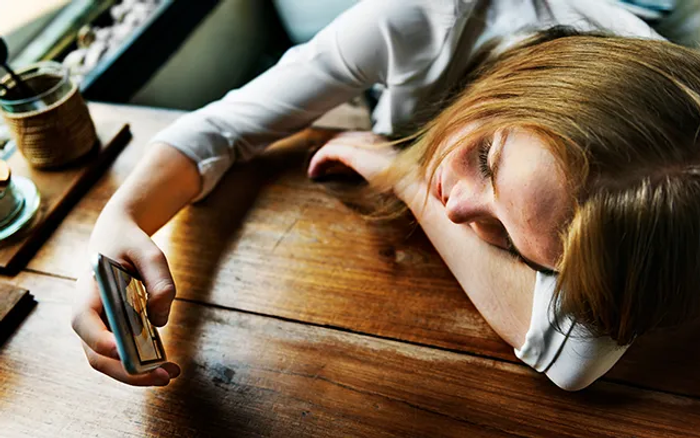
Social Media (for better or worse?)

We often reach for social media to feel connected, yet leave feeling lonelier or less satisfied. I examine that tension and share ways families, schools, and communities can support healthier habits and more time together in person.

Read article

Could Your Gut Be Causing Your Anxiety and Stress?

Stress can unsettle the gut, but could the gut also influence how we feel? I explore the two-way relationship between the microbiome and the brain, including the promise and limitations of early research on probiotics.

Read article

Coping with Holiday Stress

The gap between an ideal holiday and the one we actually experience can bring disappointment and tension. Through one family’s story, I explore how compassion, flexible expectations, and intentional choices can make room for a more meaningful celebration.

Read article

Anxiety Self Help Tips

Worry can keep us circling problems we cannot control. Through one father’s experience, I explore how compassionate engagement with the people we love can interrupt anxious rumination and strengthen our sense of connection.

Read article
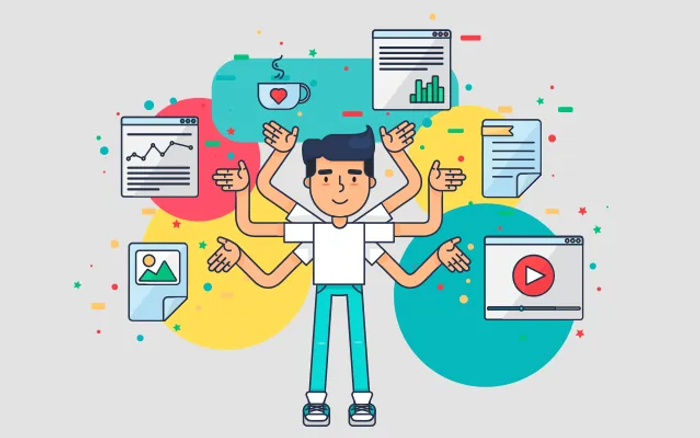
Living in a World of Information Overload

Constant messages, notifications, and news can leave little room to hear ourselves think. I explore the pull of always being available and how stepping away from our devices can create space for calm, curiosity, and genuine connection.

Read article

Feeling Lonely

Why can someone surrounded by people feel lonely while someone living alone feels deeply connected? I explore the role of perception and self-judgment, and how hope, compassion, and openness can help us feel a greater sense of belonging.

Read article

All writing

Living in a World of Information Overload

Constant messages, notifications, and news can leave little room to hear ourselves think. I explore the pull of always being available and how stepping away from our devices can create space for calm, curiosity, and genuine connection.

We are living in a world of information overload. Text messages, emails, notifications, instant messages, robocalls, TV news, radio news and internet news barrage us daily. Even drug ads that lure us into wanting the pill that can fix our physical and emotional pain wind up bombarding us with all the dangerous side effects, including death, that could occur if we take the medication.

Where is the Quiet?

Where is the quiet, the place of calm in the mind that allows us to connect with ourselves? The space that permits us to tune into our feelings and access our creativity? That seat is already taken. External information and demands stream into our psyches on an hourly basis, forcing us to continuously process visual, auditory and verbal stimuli, much of it negative and some of it downright jarring.

Information Overload: Chronic Stress

As a result, our nervous systems are on high alert and many of us are chronically stressed by how much information we process in a day’s time. We are threatened by the belief that if we don’t let it in, we’ll fall behind. More specifically, if we don’t read and answer emails, texts and instant messages and if we don’t keep up with the news, we fear we’ll lose our job, lose our friends, lose our house, lose touch with the world. Ironically, we find ourselves “running to stand still.” The U2 lyric reminds us of what addiction can feel like.

Information Overload: Addiction

Because many Americans have developed an obsessive-compulsive habit of phone checking to see if we’ve missed a tweet or a text, addressing our vulnerability to information overload is similar to treating drug addiction. We first have to disengage from the thing we’re held hostage by.

In this case, it is the tool or tools we use to “stay connected.” Examples are your smartphone, your laptop, your television, your car radio. While these devices are likely here to stay, preventing us from disengaging entirely, turning the devices off or changing the channel, at the very least, is a good start. (FYI when I say “changing the channel” I don’t mean from the news to an infomercial. I mean from the news to music as example.)

It may seem unsettling at first—turning off the phone, that is. You may feel anxious that you’re missing important connections. You may feel worried you’re losing touch. Hang in there. Some of the Silicon Valley creators of the devices and apps admit reluctance to allow their children access. As Nellie Bowles reported in the New York Times, tech mogul, Steve Jobs, didn’t let his young children anywhere near iPads.

Information Overload: Conclusion

Once you are freer of the things that engulf you in the first place, you now have space. At first, it may seem too quiet, too lonely, too empty. Just like an addict who has inadvertently abandoned himself by filling the void with alcohol or opioids, you’ll need support to stay in this space.

Perhaps you can get this from in-person get-togethers with friends or a walk in nature (see my post from 10/22/18). Allow yourself to receive natural comfort so you can begin to reconnect with your true self—you know—the one you were before you became so stressed.

Get curious about how you feel, what you desire and when you want to engage with the outside world vs. being intruded upon by it. The best outcome of all? Your nervous system will likely calm down, an experience you may not have had in a long time.