


Meg Van Deusen

What Have You Learned During the Pandemic?

Amid the losses of the pandemic, slowing down can reveal what matters most. I reflect on self-care, everyday moments of beauty, and the freedom that comes from wanting less and being more present.

Read article

How to Affect Change Through Agency

When life leaves you weary or discouraged, how do you find the energy to act? I share three steps for building agency: naming the problem, encouraging yourself, and taking one manageable action at a time.

Read article

Mental Health Facts

Feeling anxious, sad, or unmotivated during a crisis is not a personal failure. Drawing on the emotional toll of the pandemic, I explore how validation, self-compassion, and purposeful action can help us move through difficult times.

Read article
How to Decrease Stress When the World Seems to be Falling Apart

When the news feels relentless and the future uncertain, worry can crowd out everything else. Widening your perspective, adjusting your expectations, and offering yourself compassion can create room to breathe, even when circumstances remain difficult.

Read article

Is the World Making Us Weary or Wise?

How do we respond when injustice and uncertainty leave us overwhelmed? Reflecting on the protests and upheaval of 2020, I consider how listening to our hearts can help us meet exhaustion with compassion, purpose, and action.

Read article

How to reduce your stress

Three simple practices can offer a little breathing room during stressful times: self-compassion meditation, mindful time in nature, and a wider perspective on life. Each invites us to reconnect with ourselves, others, and what remains possible.

Read article
Coronavirus Takes A Toll on Mood—Here’s What to Do

The uncertainty and isolation of the pandemic can make the future feel painfully small. I explore how widening our perspective can help us acknowledge real losses while finding opportunities for connection, creativity, and hope.

Read article

Coronavirus Reminds Us What’s Important

The disruption of the early pandemic prompted a simple question: what really matters? I share seven ways to care for ourselves and one another, from taking breaks from the news to reaching out with kindness.

Read article

Coping with Loneliness on Valentine’s Day

Valentine’s Day can sharpen loneliness, especially when we compare our lives with other people’s romances. A kinder relationship with ourselves and small acts of generosity can help us find connection beyond the idea of a perfect couple.

Read article

Finding Hope for the New Year

Hope grows through meaningful goals, practical pathways, and the belief that our efforts matter. In a conversation with hope researcher David Feldman, I explore how to build realistic hope without denying life’s difficulties.

Read article

How The Tao Helps Us Navigate Stress

What can Taoist wisdom teach us about facing change without becoming overwhelmed? Drawing on Diane Dreher’s The Tao of Inner Peace, I reflect on impermanence, interconnectedness, and responding to uncertainty with openness and compassion.

Read article
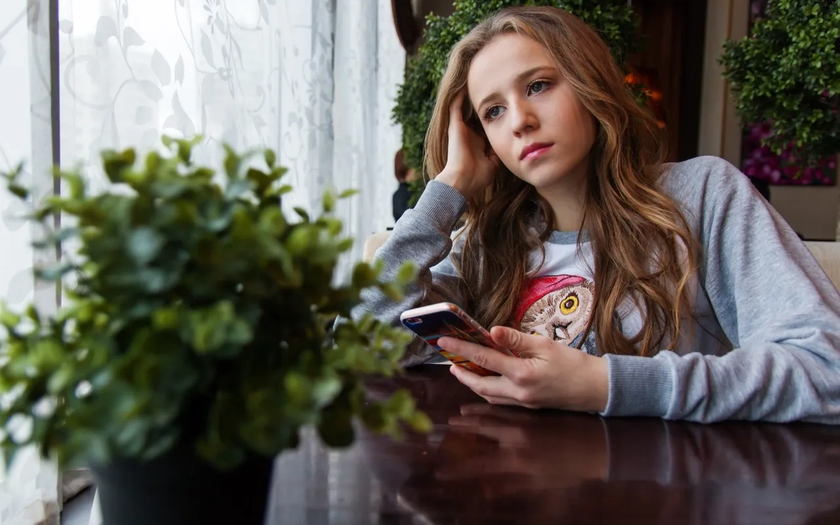
Existential Anxiety, Kids and 2019

When young people face frightening news about their future, reassurance alone may not be enough. I reflect on how honest conversation, compassionate boundaries, and our undivided attention can help them feel connected and hopeful.

Read article

All writing

Existential Anxiety, Kids and 2019

When young people face frightening news about their future, reassurance alone may not be enough. I reflect on how honest conversation, compassionate boundaries, and our undivided attention can help them feel connected and hopeful.

I was sitting in the living room at my computer one day, when my fourteen-year-old son, who sat two tables over, reading the news on his phone said, “Hey, Mom, do you know that by 2050 there won’t be any more fish in the oceans?” I don’t recall what political story I was already unsettled by that day (there are so many), but having had my fill of bleak news, I couldn’t seem to muster a reassuring response without being untruthful. I clumsily responded, “Don’t worry, honey,” to which he promptly replied, “I’m not worried, I’m just letting you know.”

Existential Anxiety: Future of the planet

If kids these days are worried about the future of their planet (which I believe deep down they are), it may not do them much good to hang out in Worryland. Worrying only feeds the beast of stress. Afterall, had he perseverated on the fact that the planet was dying, he could’ve gotten stuck in hopelessness or helplessness, resulting in stress-related states of anxiety or depression.

On the flip side, denial isn’t a healthy response either as it negates the fact that there is a glaring problem in the first place and puts you at risk for eventually being bull-dozed by said problem. So, what was my son’s intention when he so casually poked me with the news? He was taking note of a disturbing fact and alerting me to it. Why? Because I’m his mother and when kids are scared, they often turn to their parents for help.

Existential Anxiety: Connection

As adults, what is our responsibility to the Zgens, a generation of kids to whom we’ve left a petri dish of crap: mass shootings so prevalent that the majority of teens fear being shot at school, political divide so deep that families have splintered, tech-addiction so pervasive that rehab centers are popping up to treat it and global warming so dire that many scientists say it’s too late to save the planet?

We owe them sincere apology, for one. But, two, we owe them our time and attention. We owe them help, particularly, guidance on how to be resilient; that is, how to be creative, connected without being consumed, and determined despite discouragement. But how do we do this when many of us feel overwhelmed and harried ourselves?

Well, we start by putting down the device and literally looking these kids in the eyes. I broke my own rule that day as I unconsciously pushed away despair and blithely answered my son without removing my eyes from my computer for more than a second.

If we don’t stop and connect, eye to eye, how can we expect Zgens to be connected to themselves, let alone to what’s happening around them? As parents, teachers, coaches and mentors, we are their role models and have a responsibility to prioritize them over the daily barrage of email and text messages. Connection starts with honest, compassionate, eye-to-eye engagement.

Existential Anxiety: Release judgment

Next, we release judgment of them so they can live truthfully and unabashed. Teens these days have never been without the lure of social media which can hold them hostage to personas that camouflage their scars, their faults their fears and imperfections.

This readily available defense system, along with relentless reminders of all that’s going wrong in their world, can leave them stuck in a life of falsehood, pushing down feelings and avoiding themselves. We need to provide them with safe spaces in which to reveal their truths and with non-punitive repercussions when they go astray. Think compassionate boundaries, adults that listen and firmly guide instead of shame and impulsively punish.

Finally, we need to widen the lens and instill hope in them. If we only see what’s lost, we can easily get depressed and bury ourselves in work, worry or wine, furthering our stress. And, if this is how we cope, so will they. Yes, facing facts is essential to solving the problem, but so is thinking outside the box.

The latter increases awareness of what can work and what we will do. Without a bigger picture view and the spark of hope, Zgens could fall prey to resignation. Giving them hope activates agency—which is the energy to do something about a problem.

Conclusion

The next time my son nonchalantly states a chilling fact about our twenty-first century dilemmas, I will close the screen, look up, and say, “I have some thoughts about that. Do you?” After all, when we pause to listen and respond honestly, we intervene on our otherwise overwhelmed existence.

I recently had a friend ask, “When can we stop running around and start living?” She died eight months later. The time is now. The moment is each moment and the cure to our existential anxiety may very well be in our relationships with each other, particularly with our youth.